
The Invisible Work Behind Great Public Relations
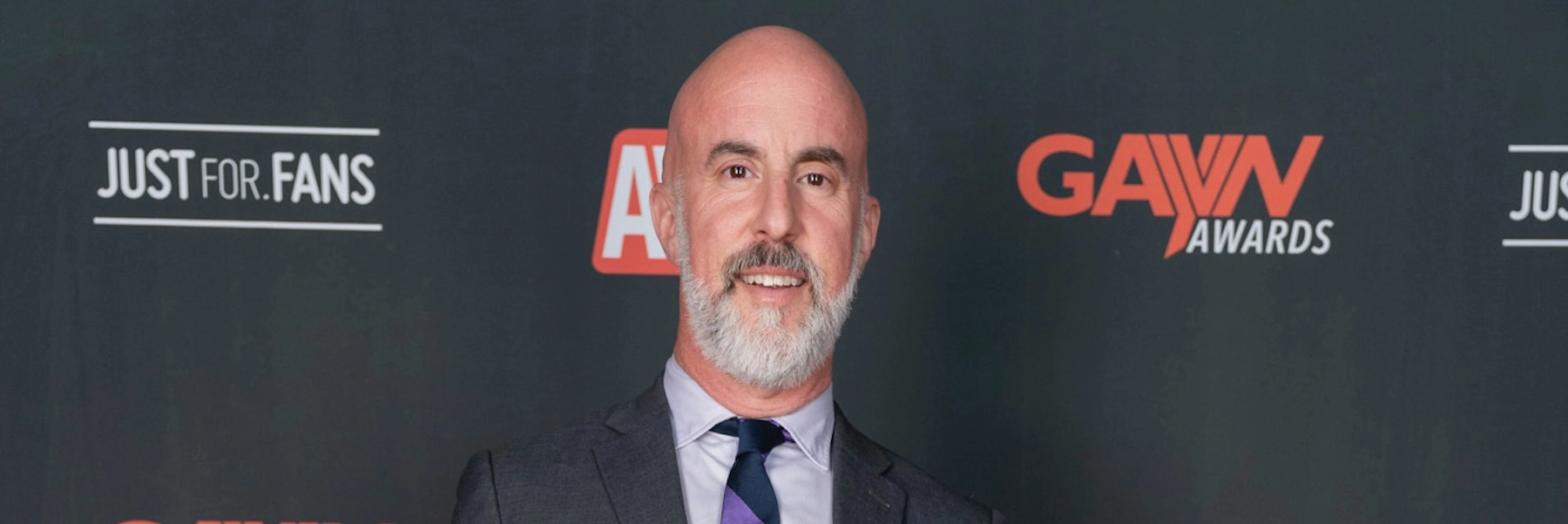
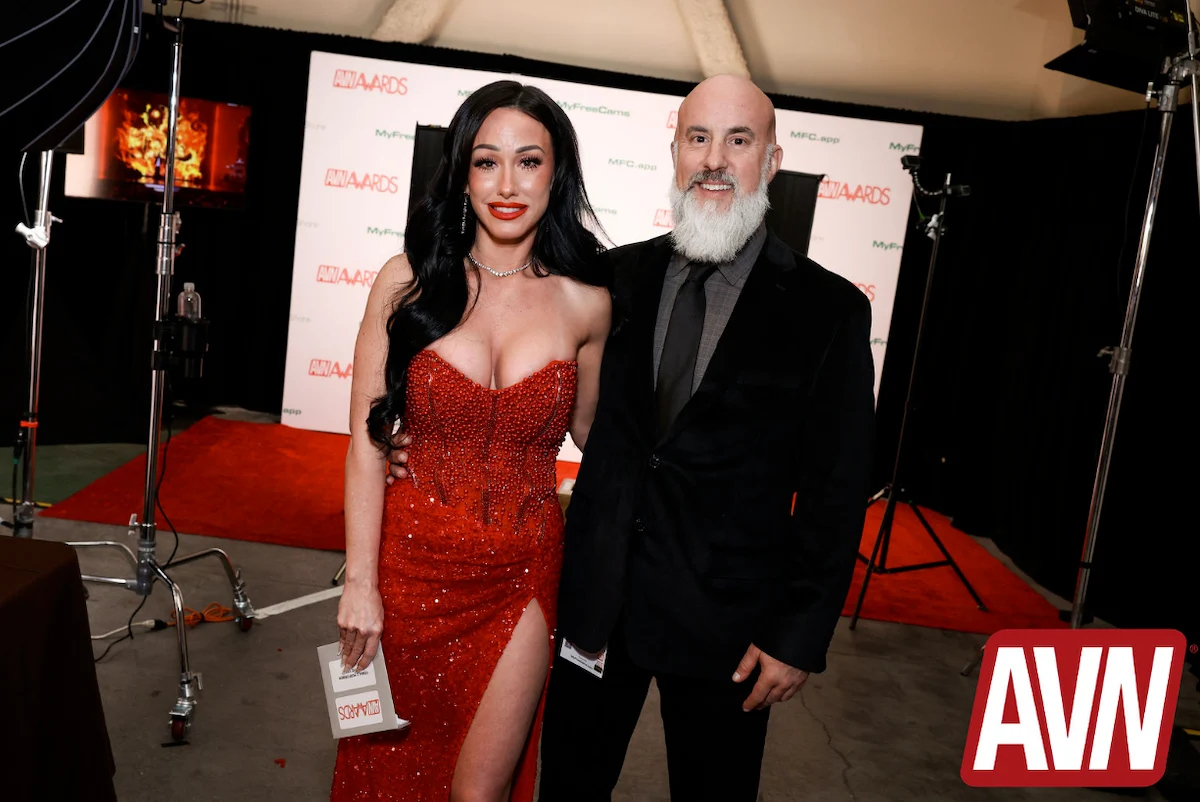
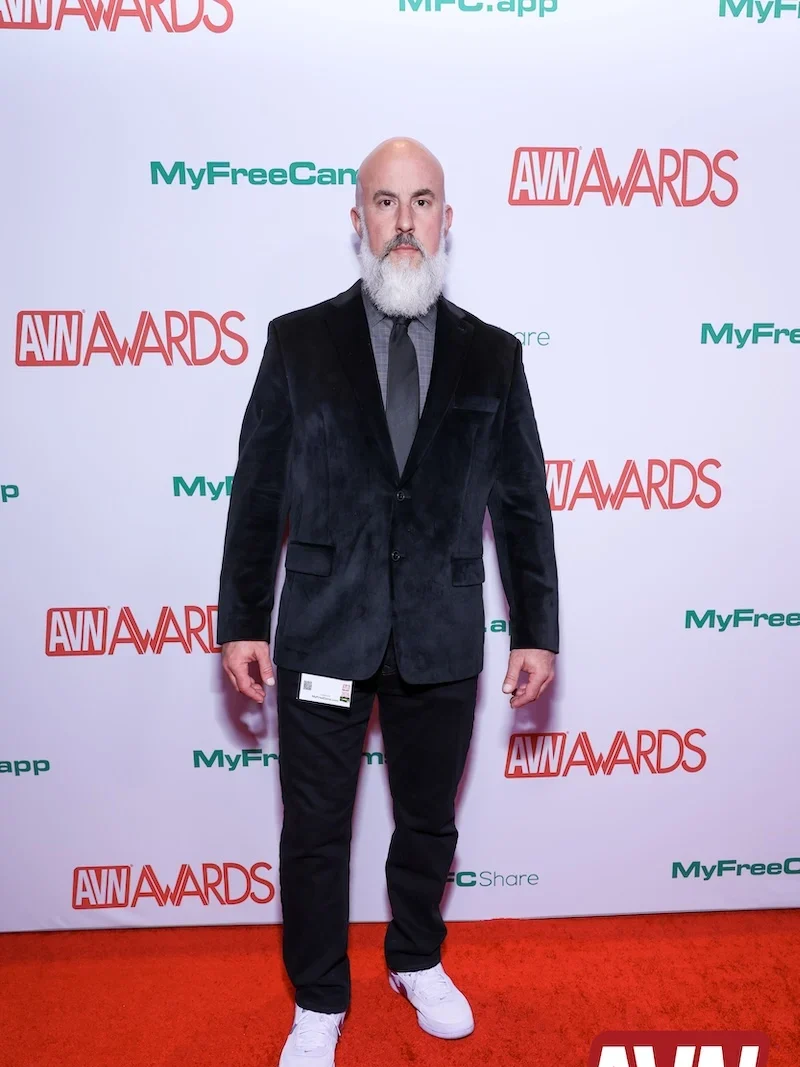
Brian Scott Gross has spent more than three decades shaping the public narratives of artists, entertainers, brands, and cultural figures across music, film, technology, and adult entertainment.
After beginning his career as a publicity intern at Def American Recordings while still in high school, he went on to hold senior public relations roles at companies including Def American Recordings, Warner Bros. Records, Reprise Records, Elektra Entertainment Group, and Vivid Entertainment Group before founding BSG PR in 2001.
Throughout his career, he has represented everyone from globally recognized musicians and actors to emerging creators, with a philosophy rooted in earned media, long term relationships, and an unwavering commitment to putting the client first.
The Unseen Architect of Public Perception
CD: As a publicist in music, entertainment, and adult, you’ve operated at the intersection of narrative, reputation, and influence for – I don’t want to date you, but I’m going to – for decades.
How do you define the role of authorship in a field where the work is often invisible, but the outcomes are highly visible?
BSG: I often compare a publicist to an offensive lineman. You only notice the offensive lineman in an American football scheme when he makes a mistake. But when the quarterback’s upright, the offensive lineman is doing his job, and nobody talks about it.
My job is essentially to uplift all my clients, accomplish their goals, build their brand, and build their media presence. It’s not about me.
In this day and age, I’ve certainly done more interviews than I ever have because the relationship with the media person, with you, for example, is highly important. Conveying certain messages about whatever needs to be said is something I’m more than happy to do, and I look at it as part of the gig now.
Some of the most successful publicists are relatively unknown to the world. But in this day and age, that has certainly changed with social media. It’s all about uplifting the client, building them up, and doing it to the best of my ability.
CD: So there’s that element where even the publicist needs a personal brand. To become that driver, that vehicle.
BSG: Yeah. It’s a careful balance because you don’t want to be too upfront. It doesn’t look good. But you want to do it where it’s necessary.
Service Over Spotlight
CD: Right. Well, speaking of delicate balance, there’s a tension between shaping perception while respecting the reality of situations, projects, and client boundaries.
How do you navigate that line without reducing your work, or the perception of your client’s work, to spinning or manipulating? I think there is an element of spinning and manipulating that’s inherent to publicity. How do you navigate that?
BSG: Here’s my answer. I have no idea. I just do the job as best I can, ultimately for the client.
Whatever their needs are, whatever they request, however they want to be communicated with, there’s a lot of sacrifice. It’s not about me. Once you eliminate me and really work with the client for their needs, it gets a lot easier.
Your question has a lot of places where you could easily go down a wormhole and lose yourself. But at the end of the day, I work for the client. I am here for them.
When you keep it that simple and linear, it’s going to make your life and your job a thousand times easier.
CD: Which is ironic, given your answer to the last question about promoting yourself as a means to an end.
BSG: If a media person needs something right away and a client’s not available, I don’t want to lose that media person to someone else.
I look at it more as a sacrifice. I’ll put my name out there as someone with experience.
There was an article in the Daily Mail that included quotes from me and multiple clients of mine. It had to do with an A list celebrity, and it allowed me to work with the writer because ultimately the writer is going to come back to me. I’ve made it easy for them.
Writers, journalists, and all media want to work with people who make their lives easier.
Granted, publicists who work with the largest celebrities in the world face different challenges. But when you’re trying to build a client and get their name out there, I want the media to come to me knowing I can hopefully accomplish what they’re looking for.
CD: But there’s a certain element, would you say, where when you’re navigating that line on behalf of the client, there’s also a component where you’re advising and consulting the client on how to shape their own narrative.
Do you agree with that?
BSG: Yes and no.
Sometimes, if they need it. But a lot of times the client knows what they want. They know who they are. They’re comfortable in their own skin, and my job is to put that out there.
If a client has questions, sure. But ultimately, I’m there for whatever the client wants.
CD: Do you think that is inherent to a good publicist, or do you think that’s specific to how you navigate the adult industry?
BSG: I can’t speak for others obviously, I can only speak for myself. However, I’d like to think I’m a pretty good publicist, know what I’m doing, and have, like you said, decades of experience. I think being selfless, making sacrifices, and putting in the work, no matter where we go with technology, AI, or anything else, will always prevail.
I saw a great quote this morning about AI needing creativity. It needs information, and ultimately that information comes from humans.
That will be the battle down the road, but that’s the work. That’s putting in the work. I’ll never stray from that because that’s what’s necessary to help my clients succeed.
CD: On that note, public relations is often framed as message control, which is very inherent to reputation management and crisis management. That’s obviously a subset of public relations.
But in practice, it involves negotiating with systems that we don’t control as the people promoting a project or interacting with the media. What are your feelings, beliefs, or philosophies about power in the context of representing clients with competing interests or public scrutiny?
BSG: When you get into that type of publicity, and you’re seeing it, let’s say with Katy Perry recently – which involves libel — her name is out there in a libel context where she might end up in a courtroom down the road.
Her messaging has to be succinct and clear, and she has to stand by her message. She has to defend herself. That’s a very straightforward thing she has to do.
Ultimately, you have to be strong. You’ve made a decision to pursue fame in some form. You’ve made a decision to elevate your name. So scrutiny comes along with it. If you can’t handle it, you probably should be a barista at Starbucks. This isn’t for everyone.
We’re seeing it nowadays in drug overdoses and suicides, where people get into content creation, work around the clock, and face public scrutiny. Some people can’t handle it.
That’s been around for centuries. Public scrutiny has been around for centuries. How you, as a human being, are able to handle it is something internal. You ultimately have to ask yourself, whatever profession you’re going into and whatever you’re looking to do, can I handle public scrutiny? That’s something that’s inherent, learned, and a little bit of everything. Ultimately, it’s the person who has to decide.
CD: So it’s the responsibility of the client to be able to learn it, or come to the table with it?
BSG: One hundred percent. My clients have to be strong human beings who can handle all aspects of public exposure.
CD: Who shapes that message though? Is it the responsibility of the client? How much of the publicist’s role is cultivating the language surrounding that message, so to speak?
BSG: It’s a team effort. It’s myself and the client working together, and you’re only as strong as your team.
I’ll always throw things back to sports. In team sports, the strongest team wins. The team that works together. The team that bonds. When my clients and I are working together on their image and messaging, we both have to believe in what we’re doing and what we’re saying.
If there are any cracks, then we’re going to have a problem.
Trust Is the Strategy
CD: When you speak of teams, it’s almost like the development of carefully cultivated relationships. It speaks to, as you said, an element of mutual trust.
How does trust actually manifest itself in PR, particularly in your areas of PR? How is it maintained when the stakes are high, such as a Katy Perry situation, or when visibility is constant and even heightened at certain moments?
BSG: Constant communication. That’s the answer. The answer is to be constantly in communication with the client and with me, making sure we’re on the same page in everything we’re doing.
We leave no stone unturned. We discuss everything that needs to be discussed. Things are put in writing when they need to be in writing. Phone calls are made when they need to be made. Texts are sent when they need to be sent.
It’s constant communication and being able to speak openly without being afraid. If there’s an issue, I can’t be afraid to bring it up to the client, and vice versa. The client can’t be afraid to bring it up to me.
CD: Do you feel that it varies in magnitude or difficulty in one industry more than another, like music versus adult?
BSG: No. Constant communication applies throughout. It doesn’t matter.
CD: Do you find it more challenging with certain demographics?
BSG: No, I really don’t. Ultimately, it’s the person. It’s not an age thing, it’s not a skin tone, it’s not sex. It’s really the person and how they’re able to communicate. If they’re not, then we’re probably not going to be a good fit. If they are, then we should be a great fit.
For myself, communication is a daily experience. You and I having this conversation can only be helpful. It’s going to be educational for both of us by the end of it. Being in constant communication with people about all walks of life and about everything, in every direction, is important.
Again, I’m going to go sports on you. The beautiful game. A soccer ball can go in an infinite number of directions. So can communication.
You have to be open minded about where something may go and how you’re going to handle it in order to accomplish the goal. Pun intended, I guess.
The challenges exist within the person, not in who they are as the outside world sees them. That’s why you have to be able to handle all circumstances and all challenges and be open minded, especially in my position, about whatever challenges are going to be thrown at me.
CD: Speaking of challenges, the instinct is often to respond quickly because of the urgency and timeliness involved.
How do you determine when speed, urgency, and immediate action serve the situation versus when restraint or “no comment” are the more strategic choices?
BSG: The facts need to be put together before you determine the speed. You can’t put something out there that puts you in a worse position. At the same time, you can’t sit back if you have information that needs to get out there.
People want to base everything on speed because of the time we’re living in, but the information is always the most important thing.
Privacy in an Age of Accessibility
CD: As the industry, and I think you could look at that as adult entertainment or even the social media landscape, is constantly evolving with new platforms and, as you said, the speed that’s inherent to the day and age we live in, what forms of labor in this field remain undervalued or misunderstood?
BSG: That’s really hard. I don’t know if I can say which ones are misunderstood or undervalued.
Ultimately, it’s up to the client, the person, the brand, or the product to decide which platforms best serve them, and they can only find out by trying.
If you sit there wondering, “Should I do this? Should I do that?” That’s time wasted. You need to find out by putting things into motion to see what’s going to work best for you.
CD: Segueing, over time the boundary between media, brand, and individual voice has almost completely collapsed. It’s become much less siloed.
From your experience, what have we gained in terms of autonomy versus public perception? What has been gained, and what has been lost, as a result of this accessibility?
BSG: We’ve lost privacy. We’ve lost the ability for someone to say, “It’s my right to be private.” People expect everything from everyone now, and that’s not fair.
People deserve privacy. They deserve to keep things to themselves. If they don’t feel a certain way about something, I think the expectation that everyone has to have an opinion about everything is a little overdone.
Everyone deserves their own right to privacy.
At the same time, the direct connection between the brand, the product, or the celebrity and their fan base can be a positive because there’s immediate feedback. There’s direct feedback that they can actually use, and they can provide information to their audience as quickly and as directly as they want without having to go through a third party.
Those are the two aspects I look at as the positives and the negatives.
CD: How does that align with being a publicist, though, where it’s almost like you’re capitalizing on that collapse?
BSG: You’re riding the wave. You truly are riding the wave.
Again, if you focus on what’s best for the client, it makes it a lot easier. If the client wants this, you help them along. Great. If the client wants to be more private and you need to be more protective, great.
You’re aligning with what the client wants and needs. If you focus on that instead of all the noise, it’ll make your job and your career much easier.
Legacy Through the Success of Others
CD: Looking ahead, what is going to define legacy in your line of work, both for individuals and for a firm such as BSG PR that’s operating increasingly at scale?
BSG: I’ve never been a legacy mindset type of person. I’m more of a day to day person. I do the best I can each day, go home, sleep, and get after it again the next day.
Ultimately, when a certain brand, product, celebrity, or whoever exceeds expectations or reaches the levels that were set in front of them, it’s very rare that it’s done alone. It’s a team effort. There are people behind the person. There are people behind the product.
That’s where you get your joy, seeing what has been accomplished and being a part of that team. That’s where your legacy is going to thrive.
CD: So there is a legacy. It’s just not necessarily the definition most people think of.
BSG: I think so. I would say so.
CD: Your legacy comes back to what you’ve said multiple times, which is that you’re working for the client. If you’re doing your job well, that’s reflected in your client’s success.
BSG: Yes. Ultimately. It’s in the pages of the New York Times. It’s on CNN, Fox, or whatever television outlet. It’s on podcasts. It’s wherever it can be seen and makes some noise.
Ultimately, I can say, “Mission accomplished. We accomplished what we wanted to accomplish.”
off the record
CD: Well, this camera, this camera, this camera. Anything you want to add?
BSG: I know exactly where you blatantly stole that from. That is hysterical. I was sitting there thinking, “Wait, am I supposed to be hot right now? Did I just accomplish the challenge?”
CD: You got the gauntlet. You’re good.
Learn more about Brian Gross at Bsgpr.com and follow on all social platforms at @bsgpr.