Inside Holly Randall’s Evolving Role in Adult Media
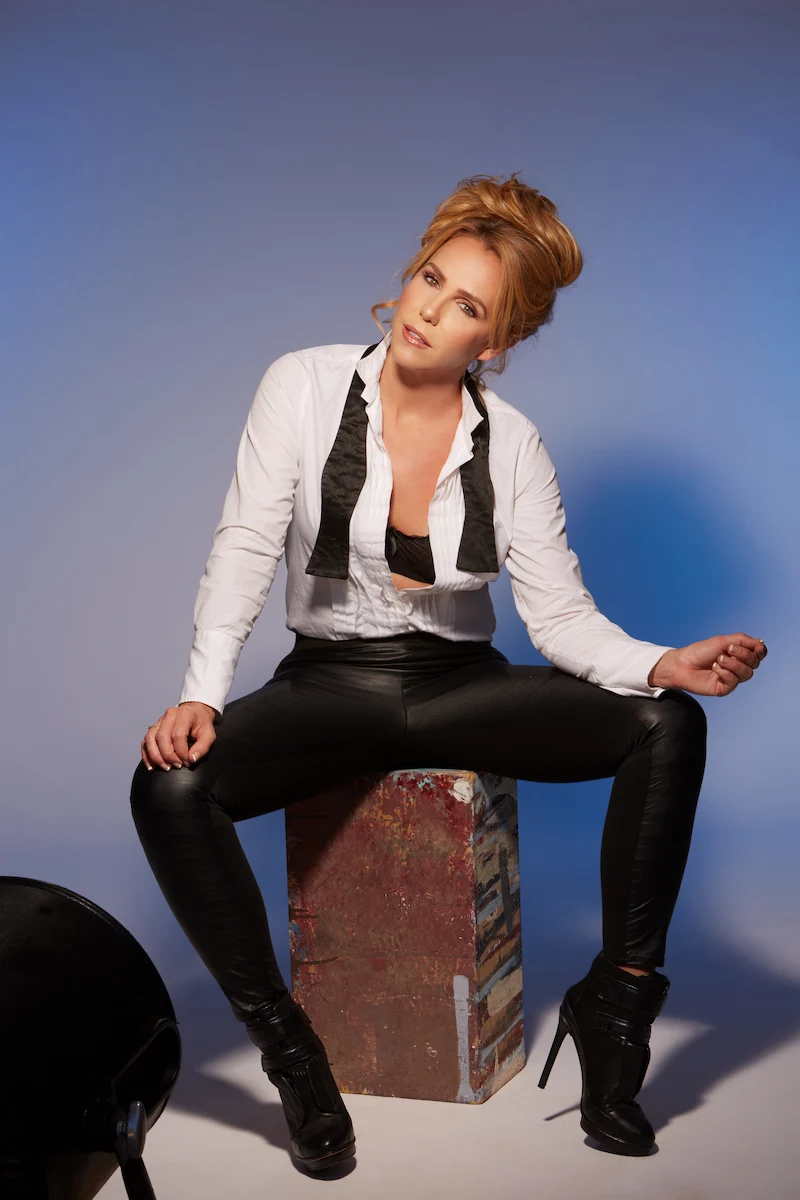
Holly Randall was raised inside one of the adult industry’s most influential creative dynasties. The daughter of pioneering photographer and filmmaker Suze Randall, Randall studied at Brooks Institute of Photography before joining the family business and eventually launching Holly Randall Productions in 2008.
Over the last two decades, she has dominated nearly every corner of the industry, directing for brands including Penthouse, Hustler, Twistys, and Brazzers, while publishing multiple photography books through Goliath Publishing and hosting series for Playboy TV and Digital Playground.
Since debuting her wildly popular podcast, Holly Randall Unfiltered in 2017, she has built one of the adult industry’s most influential longform interview archives, documenting conversations around labor, mental health, sexual expression and creator economics, across more than 400 episodes. As of May 2026, the show’s YouTube channel boasts a subscriber base of over 400k loyal viewers and somehow she still manages to have a successful OnlyFans page as well.
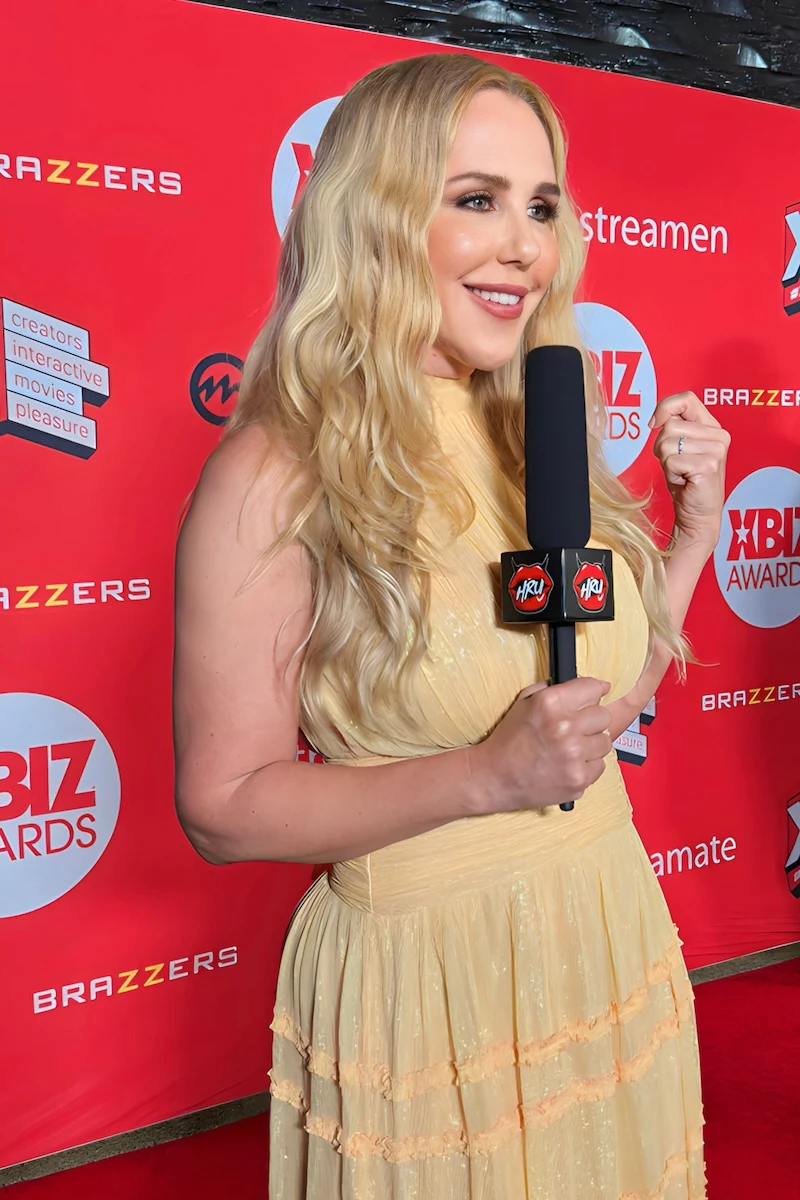
In this interview, Holly and I discuss the nature of creative control across photography, podcasting, and marketing strategy. We also get into the challenges she faces leading Holly Randall Agency as well as the launch of Wet Ink Magazine, a publication she founded that celebrates the voices and stories of adult industry creators.
Creative Control Across Mediums
CD: Your work spans photography, feature filmmaking, podcasting, and agency representation. What shifts when you move from directing an image to directing a conversation to directing campaigns and growth in a brand development manner? Where does power sit, and how does it manifest similarly or differently in each of those roles?
HR: Yeah, it’s been a big change from the early days when I was just doing photography and then picked up directing. I guess it depended on whether I was shooting for myself or shooting for clients. A majority of my work was shooting for clients.
In those cases it came with direction. Either very specific direction depending on the client. Twistys toward the end became very particular about what they wanted. Other clients like Naughty America were more like, “Shoot a stepsister scene,” and then I could do it however I wanted.
One thing I’ve always really enjoyed about the adult industry has been the creative freedom you’re mostly given. I know the mainstream industry is much more particular. You’ll have the art director show up on set and tell you exactly how to shoot everything. You become a cog in the wheel.
With adult I’ve always had a lot more power over what I’m creating and I get to run it for the most part. But there was still a very specific direction I was serving because the client told me what they wanted.
Now with a marketing agency the client has a goal, but it’s up to me to tell them how to get there. That’s a lot more challenging and a lot more depends on it. A lot more money is involved.
I obviously didn’t take on this endeavor with StripChat if I wasn’t confident in what I was able to provide, but a lot of that confidence comes from the team I’ve built. I rely heavily on my partners Jeff and Andrew. Rafa and Brent are amazing supporters and we couldn’t do it without them.
When I was directing or producing I had my usual crew, but they were interchangeable. If one makeup artist wasn’t available I could get another makeup artist who I knew was just as good.
This is a core team of people where we all have to work together. This does not work otherwise. I’m much more dependent on other people to make this project work and there’s a lot more at stake.
I’ve messed up shoots before. Files were corrupt. There wasn’t a card in the camera. In those cases I had to do a reshoot which might cost seven or ten thousand dollars. Painful, but not a deal breaker. However, if I mess this up, there goes my job. We’re talking millions of dollars. There’s a lot more pressure.
You have to think differently too. It’s an overall brand strategy and there are a lot of components to getting where you want to be. You don’t know for sure what’s going to land and what isn’t. You have to try different things. You have to pivot. You have to look at analytics and see what sticks. It’s a much bigger endeavor.
CD: Absolutely. I found that the challenging part where you say analytics, there isn’t a lot that you can use as market research before executing a campaign.
HR: Right. There’s only so much testing you can do with the client’s dollars. We also exist in a world where our existence is against community guidelines for social media, which are obviously the main platforms for getting brand awareness out there.
StripChat has been particularly challenging for promoting on socials because the name alone is something those sites don’t like. We’ve had our YouTube taken down. We managed to get the TikTok back, but not the YouTube.
It wasn’t because we posted anything risqué. It was because I was starting to push traffic there. It was getting more views and momentum which was great, but then that caught YouTube’s attention.
The bigger you get and the more popular you get, which is obviously the goal, the more attention you get from the social media platforms and then they’re like, “Oh, you’re a porn company. Delete.”
It doesn’t matter how SFW your content is. Ultimately if you’re trying to push an adult site, which clearly we are, that’s a huge problem. So, we’ve had to work around that. We’ve had to rebrand as SC World / StripChat World and come up with new logos, and really push the platform more as a lifestyle brand.
It’s been extraordinarily challenging. But we’ve gotten really good traction and great feedback, so I feel confident. It’s a long game though. We won’t really know until the end of the year if any of this worked.
Building Holly Randall Unfiltered
CD: Pivoting to the your show, it feels like the podcast has almost been a springboard to the creation of Holly Randall Agency in a way.
HR: The podcast opened doors for me that I never expected when I started it. It ended up being the best thing I ever did and I had no idea what I was doing when I started it.
The reason I started the podcast was because I was actually in a really dark place in my life. I was struggling with sobriety. I had been sober for seven years and then I relapsed. I was in that four year in-between before I hit my next sobriety stretch, which I’m on now for almost eight years.
I also got fired from Playboy and Twistys in the same month. Twistys quietly phased me out. They went from giving me four or five scenes a month to literally zero without telling me.
I finally had to ask them, “Am I still working for you or not?”
At the same time Playboy accidentally fired me in a really awful way. MindGeek had been running Playboy and I became their main producer and director for six or seven years. I shot all this incredible stuff for them.
Then Cooper Hefner came in and wanted to take Playboy back. He didn’t like that it had become too porno in his words. I think he didn’t like my style and didn’t like my connection to the adult industry. They tried to have me pivot aesthetically but it just didn’t work with the talent they were giving me.
Then they accidentally emailed me meeting notes that literally said, “Fire bad producers like Holly Randall especially.”
That really stung. You can say you don’t like my style. You can say I don’t fit the new aesthetic. But you cannot say I was a bad producer. I always had the paperwork done. I delivered on time. I stayed under budget. I worked my ass off for them.
It broke me because shooting for Playboy had always been a dream of mine. Some of my best work was for them. Losing that and Twistys at the same time sent me into a depression. I suddenly had to ask myself what my place in the industry was anymore.
One thing I admire about myself is that I’m extremely resilient. You cannot keep me down. I’ll always come back. I’ll always try something else.
I happened to do an interview for a boxing gym podcast and that’s where I met Ernie, who is still my sound engineer. I had been thinking maybe I should start a podcast because I was trying to figure out what else I could contribute.
I’d always thought that if people could just sit down with performers for an hour, they’d realize these are intelligent, funny, thoughtful people. They’re not what mainstream media reduces them to.
So I thought, I know all these people, they trust me, why not have conversations and show who they really are?
At the time I felt late to podcasting, which is funny now because I was actually early. I told myself I’d do ten episodes and see what happened. I had no idea what I was doing. I didn’t prepare questions. I just showed up and talked.
The numbers didn’t explode overnight. Nobody wanted to sponsor me. I remember going to Adam and Eve and they basically told me to come back when my numbers were eight times bigger. But then I interviewed August Ames and that changed everything for me.
August Ames and the Power of Testimony
HR: August was episode nine. Before she came on I asked what she was comfortable talking about, and specifically mental health and depression because she had spoken publicly about those things.
When we started talking she opened up in a way I completely did not expect. She talked about sexual abuse, family trauma, depression. I remember sitting there thinking there was no way she would want me to publish this.
Afterward I asked her what she wanted removed and she said nothing. She said she felt lighter after telling her story. I checked with her multiple times before publishing it. Every time she told me she wanted it released exactly as it was.
The response was incredible. People related to her. They empathized with her. They felt human connection to her in a way they hadn’t before.That was when I realized the podcast could become something bigger than just talking about porn. These were human stories about people who happened to work in the adult industry.
Then she passed away and that changed everything. News outlets pulled quotes from my podcast and it went viral in a way I never wanted.
I refused every interview request afterward because I felt so guilty. The episode had felt hopeful before. It felt like someone confronting their demons. After her death there was no redemption arc anymore.
I pulled the episode down because I was overwhelmed with grief and guilt and because I didn’t want to hurt her family further.
Then a fan wrote to me and said I had taken away her voice. He said people were now left only with clickbait headlines instead of hearing her tell her own story.
Eventually I spoke with her family and got their blessing to put it back up. The audio is available now, although the video was lost somehow. Out of more than four hundred episodes it’s the only video I’ve ever lost.
That experience really shaped how I thought about the responsibility of interviewing people.
Consent, Responsibility, and Ethical Gatekeeping
CD: In hosting hundreds of performers on your podcast, how has your understanding of consent evolved beyond its legal definition into something more cultural or interpersonal?
HR: I always try to make sure people are fully informed before they show up, whether it’s for a movie set or a podcast. I over-explain everything because people often don’t read. I never want someone showing up surprised by what’s happening.
When guests come onto the podcast I give them the questions ahead of time. I tell them if there’s anything they don’t want to discuss they can cross it out. If they want something edited afterward I’ll do it. I’ve had performers ask me to remove episodes after they’ve gone live and I’ve done that too.
There have also been times where I’ve cut things out even when the guest didn’t ask me to because I felt it was damaging and they were going to regret it later. That’s only happened a handful of times, usually when someone was very young or struggling with drugs or didn’t fully understand the ramifications of what they were saying.
There was one performer who told a very harrowing story involving another performer with a reputation for abuse. Afterward I warned her that publications like the Daily Mail might grab headlines from the interview and sensationalize it. Once she understood that possibility she decided not to publish the story and I respected that.
I can’t control how other people spin things after publication, but I can make sure someone understands what might happen before we publish.
CD: How do you define ethical gatekeeping in an industry that has historically resisted regulation?
HR: A lot of performers go on podcasts where people are trying to pull the craziest possible story out of them because they want clickbait.
I understand that impulse because it’s competitive and I write clickbait titles too. But if something makes me feel gross, I can’t publish it. If something makes my skin crawl, even if I know it’ll get traffic, I just can’t do it.
At the same time I don’t think anyone is ultimately responsible for protecting adults from themselves. I just personally feel protective because I care deeply about this industry. It’s been my home my whole life.
But I also have to be careful not to whitewash the industry. If someone has a dark story or a cautionary tale, I think they should be allowed to tell it because other people can learn from it.
The industry is not for everybody. I’ve talked more people out of entering porn than into it. You have to have thick skin. You can’t come into this business carrying shame about what you’re doing because then you’re always going to feel compromised.
Wet Ink and Creator Authorship
CD: Wet Ink Magazine suggests a shift from performers being written about to performers participating in how the industry represents itself.
What role do you think creator-led publishing can play in shaping authorship and historical records in a space that has rarely controlled its own narrative?
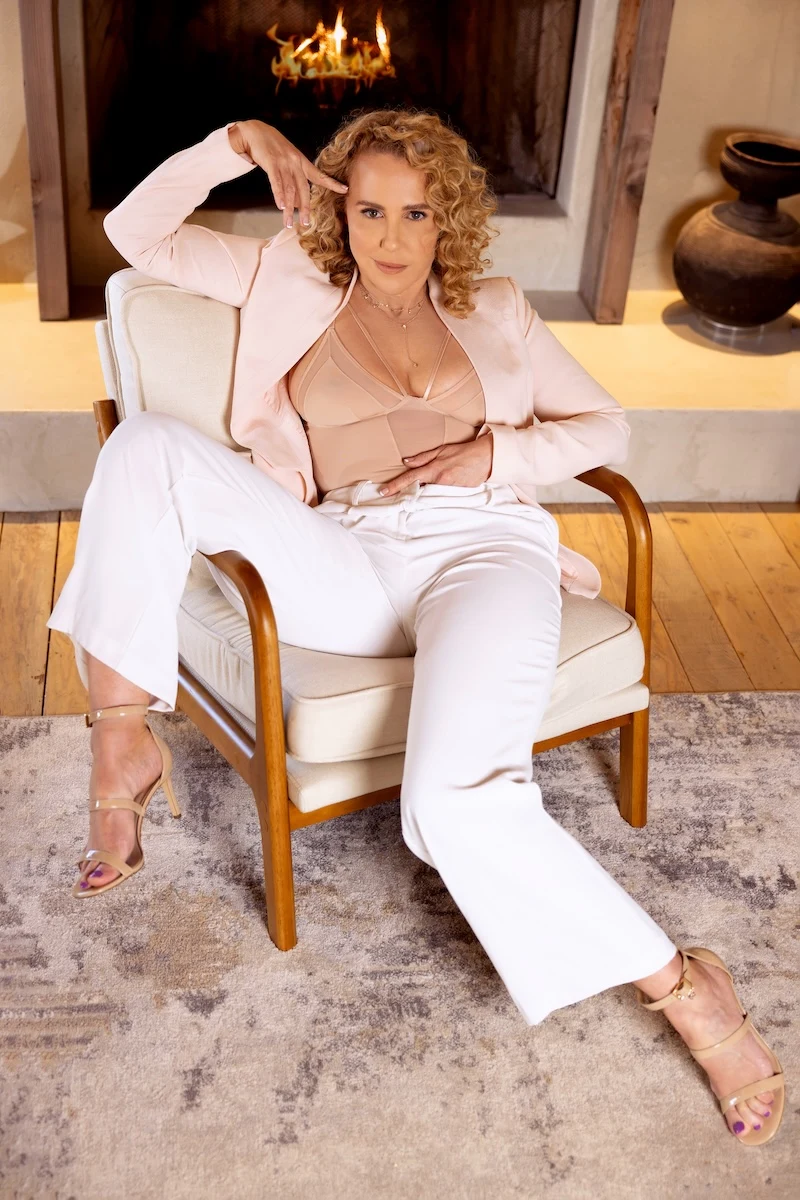
HR: I’ve always wanted to amplify voices in the adult industry. That’s why I started my podcast in the first place. With Wet Ink, I have the same mission.
I want the publication to be interesting and useful to people in the industry, but more than that, I want it to actually represent them by publishing their own pieces and their own work in their own words.
I’m intentional about not just platforming the big names. Everyone’s story matters regardless of follower count. The performer who’s been in the industry for fifteen years and never had anyone ask for her perspective deserves space just as much as the household name.
That’s what I mean by inclusive. I want Wet Ink to feel like it belongs to the community, not just to me.
OnlyFans and the Future of Creator Work
CD: The adult industry has always been technologically adaptive, from early web monetization to subscription platforms. How has that constant reinvention shaped your thinking about ownership and sustainability for performers and creators?
HR: OnlyFans completely changed the landscape of the adult industry. It shifted the power dynamic dramatically. Creators now own their brands and their content in a way they didn’t before. I think that’s overwhelmingly positive.
At the same time I think a lot of people enter the space with unrealistic expectations. They see the top earners and think it’s an easy way to make money. Most people are not making millions of dollars. Most people are making very little.
To succeed now you either need a massive audience already or you need to become extremely good at marketing yourself. You have to understand branding, niche positioning, audience building. A lot of people come into this business without understanding that they’re actually building a business.
What’s different now is that many creators have more control. They’re working independently from their bedrooms instead of for major studios. That gives people more autonomy and more ability to set boundaries. If someone tries it and realizes it’s not for them, it’s easier to step away than it used to be when studios owned all your content forever.
AI, Authenticity, and Human Connection
CD: Where do you see all of this going next?
HR: There’s obviously fear around AI and how much of this space it could eventually replace. I don’t really have the answers there, but I do think people fundamentally want human connection. That’s one reason I enjoy working with StripChat. They’re very focused on live interaction and authenticity.
What struck me when I met the creators involved with StripChat House was how different everybody was. Different ethnicities, different aesthetics, different personalities. There wasn’t one cookie cutter look. These were also top performers on the platform, which proves audiences are looking for a wide range of connection and representation.
People want to feel like they’re talking to a real person. That authenticity still matters. StripChat is one of the top fifty websites in the world and the only camming platform on that list. That says something about how much people still value real-time human interaction.
That actually gives me hope.
Returning to her "Dynasty" Roots
HR: I’m also excited about my photography book, Dynasty, which is finally out. I’ve had four photography books before through Goliath Publishing, but I didn’t really get to curate those. They picked the photos and published what they wanted. Dynasty is different because everything was hand-selected by me and I shot all the content specifically for it.
I think a lot of people either forget or don’t know that I’m a photographer at heart. That’s still the core of who I am. When people ask what I do, my first instinct is still to say I’m a photographer.
A lot of my income now comes from OnlyFans, which was never something I expected, but I’m incredibly grateful for what the platform has allowed me to do. It’s enabled me to take risks and build things like the podcast and the agency.
But Dynasty feels like returning to my roots. It’s a project that personally means a lot to me, as it’s all my best work and I’m really proud of it.
TO FIND ALL THINGS HOLLY:
HollyRandall.com
HollyLinks.com
SELECT PROJECTS:
WetInkMag.com
HollyRandallUnfiltered.com
HollyRandallAgency.com
FOLLOW ON SOCIAL:
IG: @HollyRandall
YT: @HollyRandallUnfiltered