Vanniall on Platform Control and Creator Autonomy
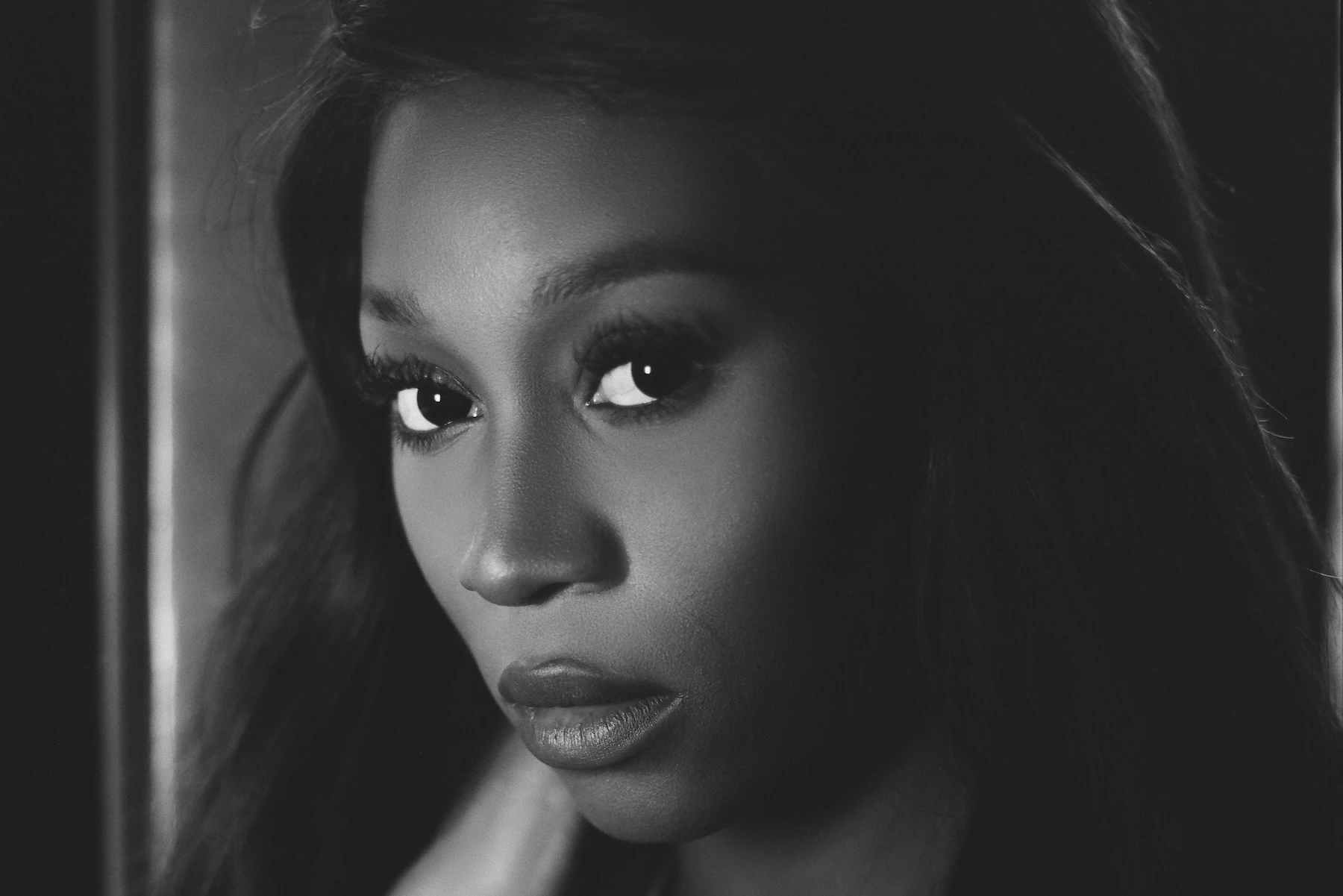
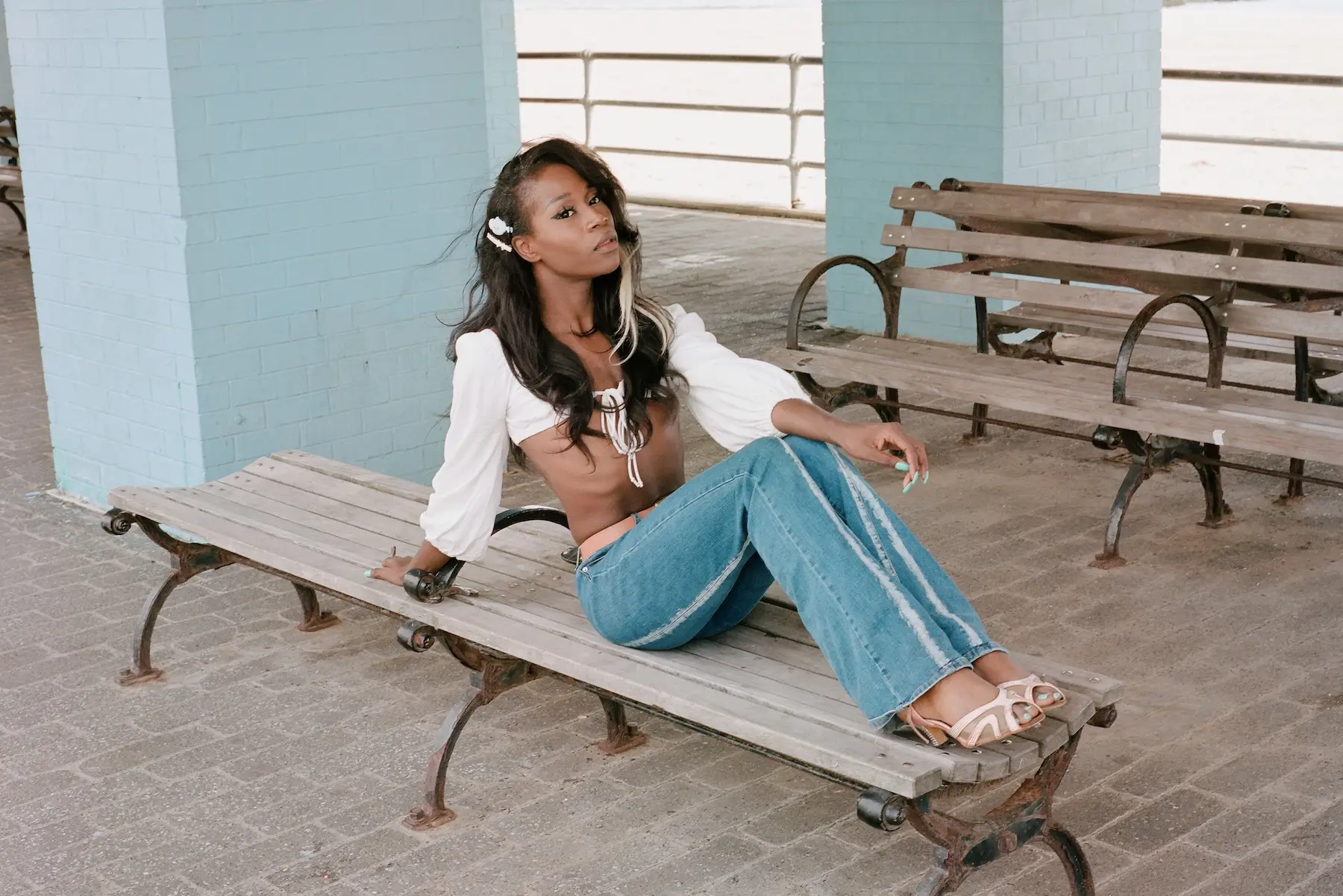
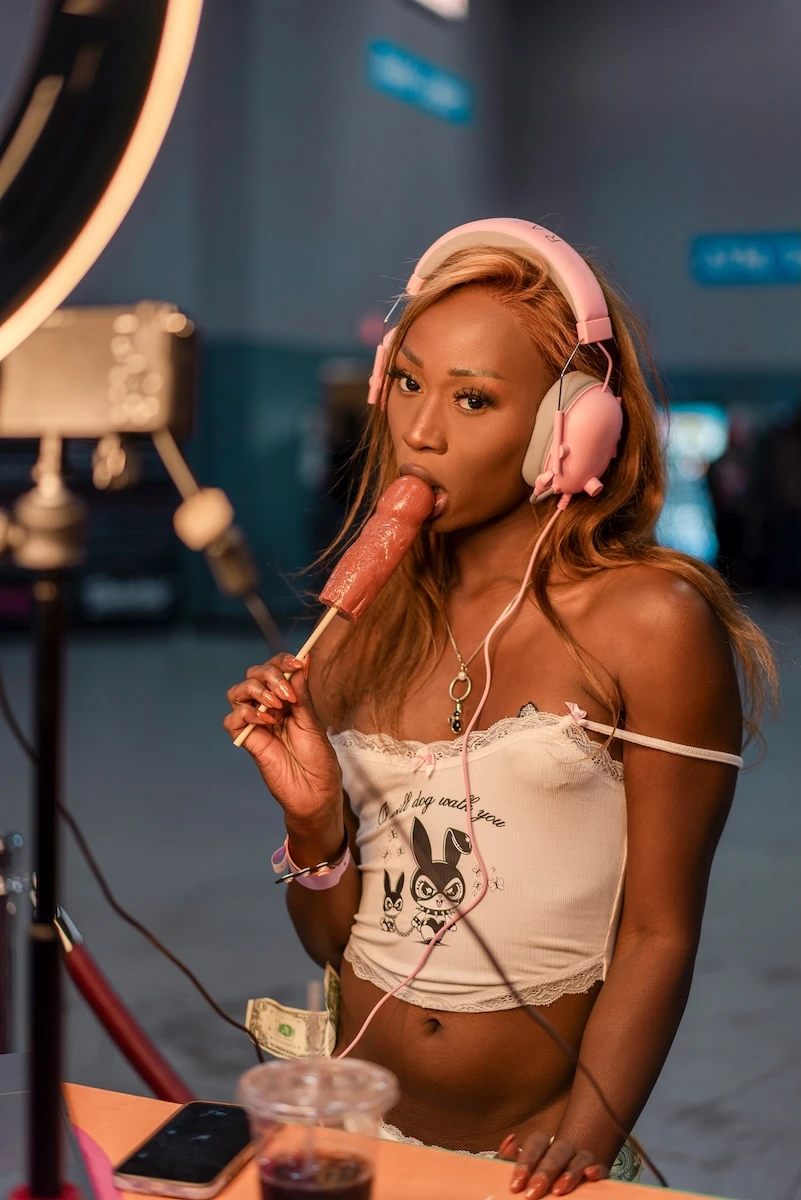
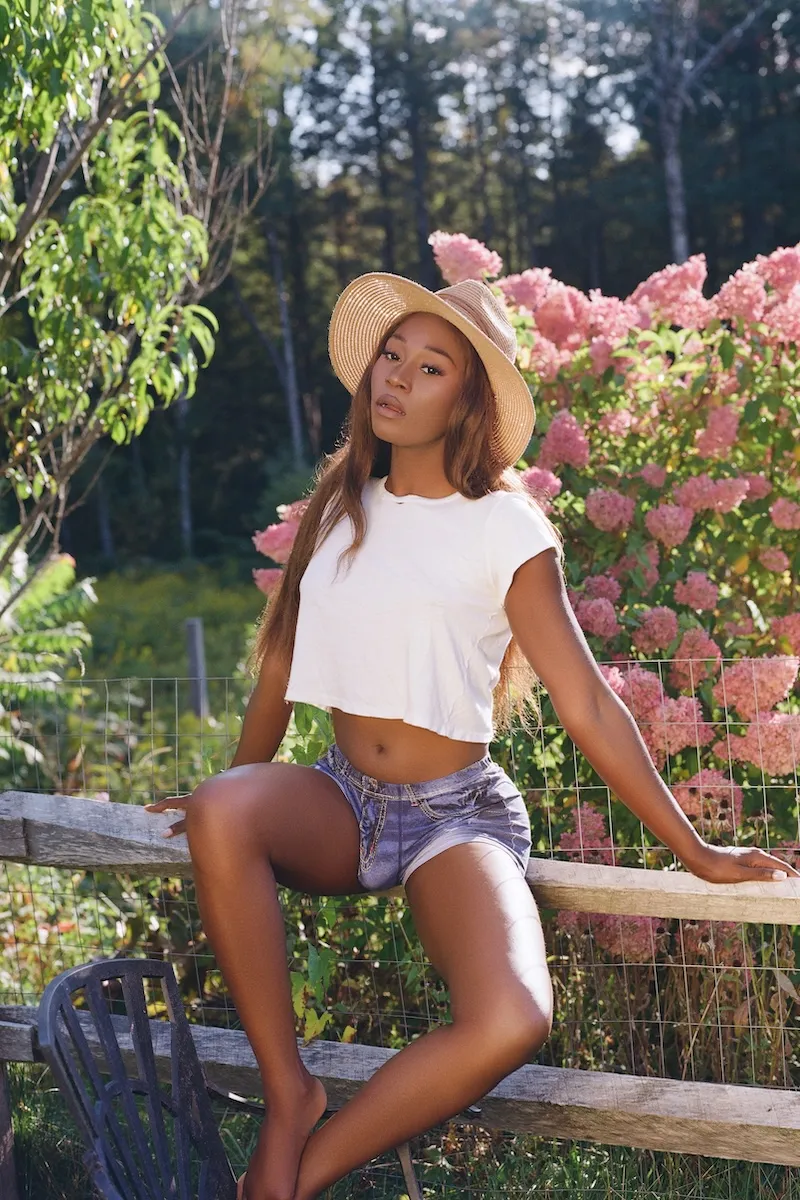
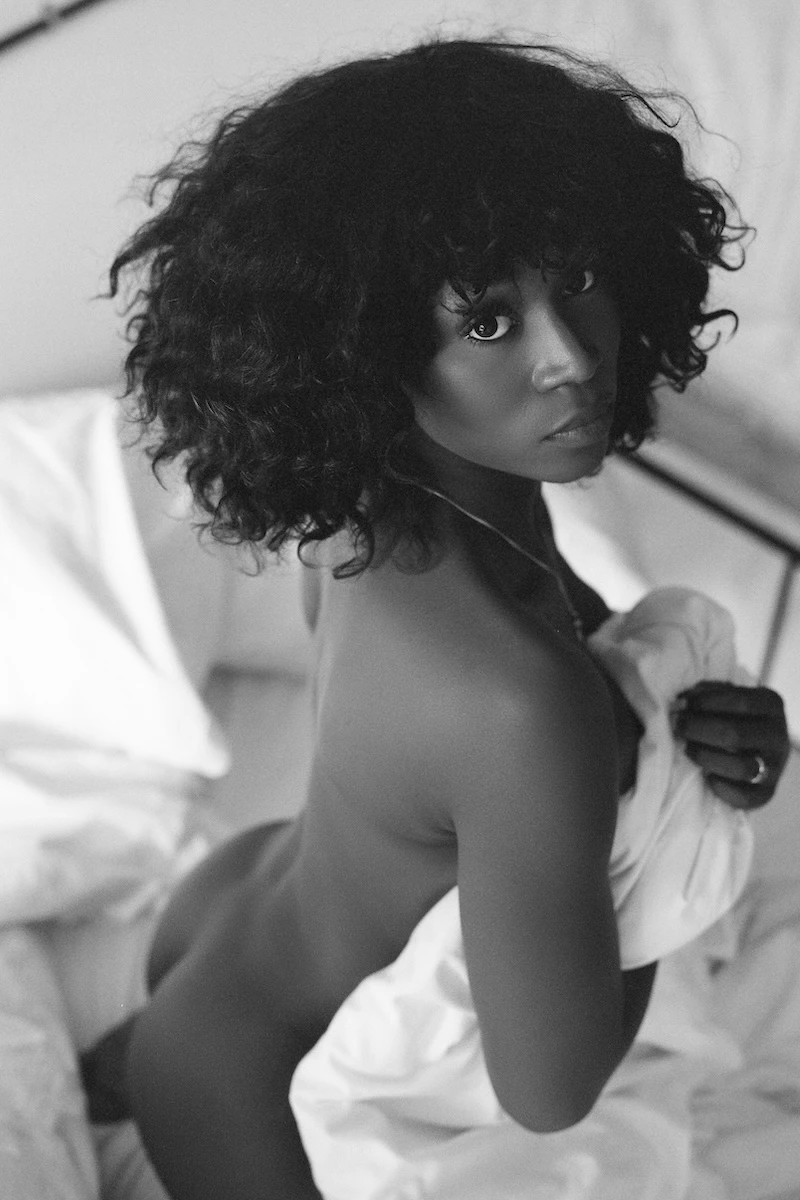
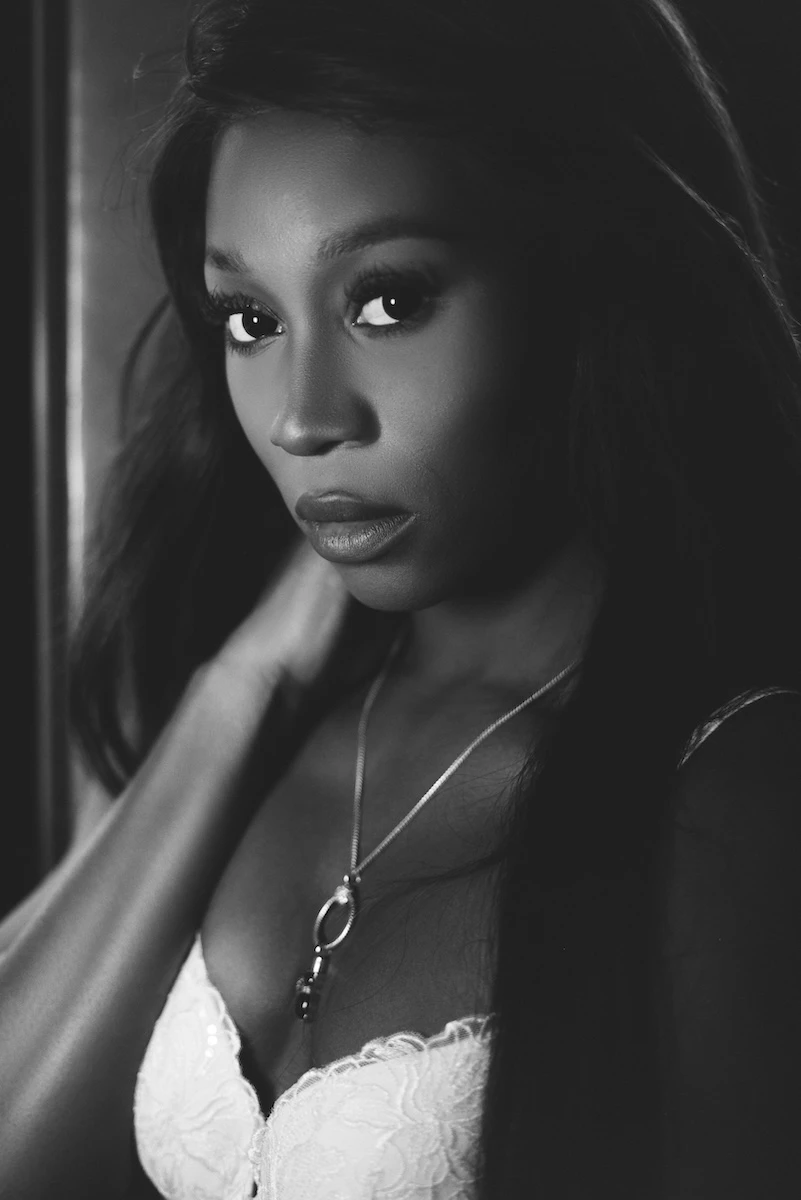
Vanniall is a multi-award winning trans performer, director, and independent content creator whose career traces the evolution of digital authorship in adult media, from early Tumblr era publishing to today’s platform driven ecosystem.
She has worked across studio and self produced content since 2019, building a body of work defined by creative control, audience intimacy, and sustained output. Her projects have earned recognition across major industry bodies such as XBIZ, TEA, AVN, and BCAMS, alongside her work as a presenter, interviewer, and host within these same systems.
Alongside her on-camera work, Vanniall’s practice extends into directing, live streaming, podcasting, and public discourse, with appearances on Out TV’s X-Rated NYC and Hot Haus, and hosting Chaturbate’s Sex Tales podcast.
Her writing and commentary have been featured in outlets including CNN, Fortune, HuffPost, and XBIZ, where she engages in ongoing conversations around labor, visibility, and autonomy within creator economies.
Across formats, her work is grounded in a consistent throughline of authorship and agency, not only in what is produced, but in how it is distributed, contextualized, and sustained over time.
Awards, Metrics, and Value
CD: First of all, congratulations on the recent TEAs Award win!
V: Oh, thank you! Oh, thank you. Thanks so much, yeah, yeah. That was… that was… that was very much unexpected. I was not expecting that at all, but we have been going really hard on the Pornhub stuff this year, so… it feels nice.
CD: Good for you! The best is when it converts to sales.
V: Right, right.
CD: And it’s not guaranteed that it does, but it does more often if you have the backing of a site.
V: Right. That’s why I was actually the most happy with this award, because, like, it very much is an advertisement to go watch my Pornhub stuff and give me money. And that’s great.
This is like the one award where I’ve been like, okay, I’m seeing the actual, like, value market in this. But unfortunately, most of them, I’m just like, this will be really great to win, I’m so excited to be nominated, but like… does this actually push forward my brand and who I am, or even, like, push forward me financially in any way, or does it push, like, business forward, you know?
CD: Right. Or is it just about my ego?
V: Exactly, just a little head boost, but I’m really… I’m really happy with this one.
Early Digital Work and Platform Shifts
CD: You have had a tenured career, even at such a young age. But you really leveraged self-publishing in the Tumblr era and in the very early digital days. Whereas now, you’re thriving in a very sophisticated creator economy.
Looking back at that journey and that evolution. What changes have really stood out to you and mattered the most? In terms of building a career on your own terms, whether you interpret that as a trans performer, as a woman of color, as someone who is young, someone who dips into camming versus content versus studio – however you choose to absorb and receive that question.
V: Yeah, I think in the beginning of my digital journey, I was very much doing a sort of direct-to-consumer model, where I was very much just selling in the DMs. Guys would DM me, and they would ask for feet pics, and I’d say, okay, 30 bucks. They’d send me 30 bucks via Cash App, and I’d send them 10 feet pics. And that was very much how I was having a business at that time.
But as I was able to grow and scale as I could in that respect; but as time went on, it very much has become a pay-to-play market with sites like Twitter and Instagram.
I feel like if I don’t pay the premium subscription price to have a verified little check mark, or whatever, then only half of the people that actually follow me see my stuff. I gain less than half of the followers, it seems. I don’t really have any reason or any evidence to say, but nothing really has changed other than me buying a subscription to these things, and instantly there’s this boost.
That doesn’t feel non-organic, but it also feels like something that I have been barred from until I pay the price, which not a lot of girls can do, not a lot of girls that look like me can do. And it’s not extremely fair to people who are in this business to make money, not to spend it, but it’s very much become a thing like – we’re gonna accept you to a degree, but you’re gonna have to pay in order for people to actually see your stuff.
This is really disheartening, but I’ve had to have a stiff chin about it, because if I don’t, then I’ve seen the way that the business falters. I’ve seen the way that the financials falter when I don’t play ball with the algorithms. So I’ve been stuck in this sort of being a good girl for the algorithm for a while now, and I don’t think it was like that before, I don’t think that it relied so heavily on that before.
CD: No, it’s like a barrier that feels very capitalistic. And it doesn’t feel fair, but it’s also like, you gotta play the game to get the rewards.
V: Right, right. And you have to pay to play! It’s not an economy where you can actually just put your name in anymore. You gotta put your name in plus, like, 20 bucks. But it is the life that we live and everything is super capitalistic right now and behind this paywall, so I guess we are part of that now, too, you know?
Paywalls, Art, and Product
CD: Yeah, I mean, to play devil’s advocate: I assume you have a lot of paywalls on your work as well?
V: Yeah.
CD: So, it’s sort of like, hey, I’m gonna play the game too.
V: Yeah, yeah. And I think in the beginning, I was so, so against it. I really want people to be able to, if they want to find my stuff for free, somewhere.
I was the person that was putting all of my stuff on the tube sites in full form, just to make sure that people would be able to experience it, to see it. I didn’t make it just for me to see it – I made it to be experienced.
But as time went on, and as the economy just sort of became what it is now, I had to realize that I have to protect my art in order to protect the ability to make a living from it.
CD: It’s a commodity, for sure!
V: It has to be! As a product, it has to be treated like one for the people that want to buy it.
I think as time goes on, like, maybe when I’m super old and decrepit, I’ll just bust everything out on the internet somewhere as my final deed before I die. But until then, I have to keep selling it. It has to stay behind a paywall.
CD: How do you ascertain what content you want to provide for free, whether that be for the long-term goal of conversions, or the content in your art that you’re like, this needs to be monetized. How do you make that decision?
V: Well, I think it very much has to do with how much blood, sweat, and tears goes into something.
If it is something that I just took on Snapchat in 5 seconds, I feel completely okay with everybody seeing that. But if it is something that took a week of footage, a month of editing, 10 guys doing grip, 5 guys doing lights, and 10 other actors..not only for me but for all those other people involved, it should be given the best possible platform that it can be. And it should put and viewed in the best possible light that it can.
I want to give that experience in full. I never want to give that experience on a shitty tube site at all. So I would like that in its highest form, at its highest definition, behind the paywalls. So that way it’s exactly what we want it to be, how we want it to be presented, all of us, everybody that was involved in making that. So that’s how I kind of decide.
This is a passion project, and then, this over here is just little nude pictures. And I’m okay with everybody seeing the little nude pictures. But also, those are great advertisements for passion projects.
Content Tiers and Audience Behavior
CD: Do you find, I’m just curious, it feels almost counterintuitive sometimes, or paradoxical, that a lot of those pieces that you’re like, this is art, this is huge. It’s “I poured myself into this, and other people contributed, pouring their hearts in,” these types of pieces sometimes serve more as media drivers, and they don’t necessarily sell as well. However, they drive the traffic to the other videos selling. Have you found that to be the case for your work?
V: Absolutely, that’s true.
I find that it’s really the bigger fans that end up consuming these things, the high art. People that only come once in a while, and they’re only looking for this type of thing. And it’s a much smaller number, usually.
Most people are looking for that mid-range stuff, 10, 20 minutes of good casual sex with someone that you like. That’s the stuff that they’re gonna be consuming on the daily basis.
And yeah, the big project stuff usually just serves as a driver to get people into the more mid-range stuff. And also, the lower range stuff is a good driver into the mid-range stuff. So usually it’s mostly the mid-range stuff that ends up getting sold.
But again, that’s the game.
The game is to make sure that you have something for each of those customers. The customer that wants the low-range stuff, the customer that wants the mid-range stuff, and the customer that wants the high-range stuff. Then you’ve got three sales right there of different amounts, as opposed to just one big one.
CD: Which is so frustrating, I would imagine.
V: It is very frustrating, but I do think that it’s, again, just the game.
If it was on an actual streaming service like Netflix, people would be much more interested in consuming it. But because it’s this a la carte thing where I have to basically buy a movie at like 40, 50, 60 bucks, it’s not what I would pay for a movie ticket. So it’s hard to find the actual customer that wants that stuff and has the money to purchase it en masse.
CD: Someone once told me, you do the blockbusters so you can afford to do Broadway and Indies.
V: Yeah, exactly. You gotta do the thing that you know is gonna make you money and get people in, and that funds the stuff that you love. That’s the real magic.
CD: Yeah, it’s artistic fulfillment. I love that, because at the end of the day, it’s not necessarily how one sells, it’s how they all sell together.
V: Right, yeah. How you as a brand have packaged these things and sold them off. That’s what it’s all about.
Creative Drive and Representation
CD: What would you say drives your creative muscles? Like, because you perform, you direct, you produce, you stream. What drives those passion projects?
V: It’s tough, because a large part of me feels like I know the parasocial relationship is bad, but I do think the parasocial relationship works both ways.
In the beginning, I was just trying to make myself feel sexy in my body, in my trans body. I was 18, very unsure of how to be sexy, how to be anything. I was living in the Deep South, so there was no one around that would ever affirm that I was anything besides disgusting.
And the way that I got creative confidence was through the internet, through posting myself and people saying that I looked cute. So in the beginning, what was driving me was learning to accept myself.
As time went on, it became more about being the person that I wasn’t seeing in other porn stuff. I wasn’t seeing girls that look like me all that much, especially in their own self-produced stuff. So I sought out to do my own thing.
Now what drives me is exactly that! Doing my own thing, having my own money, being stable, and still reaffirming to myself that I am sexy, what I am is not wrong. And I think that a lot of my fans have been with me for that journey.
Some of them want to feel sexy as well. Some of them want to feel like their body, which they don’t see much in the media, is sexy. And I’ve been very adamant that anybody is sexy to somebody. That’s my artistic drive.
Authenticity, Labor, and Amateur Illusion
CD: I love that the accessibility of distribution now is allowing more representation.
V: Yeah. There really is a market for everyone.
CD: I wish the studios would catch on.
V: I wish so too, but they’re so far behind. I don’t know if they can emulate the feeling that fans get when they’re talking to a person they feel like they could meet in a coffee shop. They can’t emulate that. We can. It’s very much a creator’s economy right now.
CD: How has having that direct relationship with your fans shaped the way you think about performance and agency?
V: I think when you speak out about things you care about, the fans that also care about those things will find you, and the fans that don’t will dissipate, and that’s okay.
You don’t have to appeal to everyone to make money. That’s an outdated concept. You should voice the things that make you feel like they can’t be held inside of you, and the people that get it will get it. And you’ll be better off for it.
Reality TV and Control of Narrative
CD: You’ve been on reality TV. What was that experience like?
V: I don’t know if reality TV was the best thing for me.
I have struggled with food for a long time, and when I got cast, I pretty much stopped eating. I got there and no one was very worried about whether anybody was eating. I don’t remember having a full meal the whole time I was there. And when I lost and went home, I got very depressed.
Then with the next show, it felt like I was there to be an angry character, and I didn’t want that. It wasn’t that fun of an experience. It was very phony, very contrived. And there were moments where things happened on set that were serious, like transphobia, and none of that made it into the final cut. It made it seem like I just blew up for no reason. So that’s when I realized how constructed it all is.
CD: Do you find there’s more autonomy in your own work versus mainstream?
V: Yeah. In the creator economy, you at least have your own voice. In the mainstream, you’re kind of a conduit for other people’s voices.
Awards, Recognition, and Industry Power
CD: How do you feel about awards in terms of what they actually recognize?
V: I don’t think the way they choose who gets what awards is ethical. It feels like a popularity contest. The industry recognizes who’s the most popular at the moment, but not those actually saying anything meaningful.
CD: It’s also influenced by money and backing.
V: Yeah, if we have to be pay-to-play, of course that is a major factor as well.
CD: It takes away from the recognition.
V: Yeah, it leaves us in a limbo, not knowing if we’re actually being recognized for doing good, or if we’re just being used as tools for a transaction.
CD: But despite all that, you can still feel proud.
V: Yeah, but we do have to realize it is a game. They’re playing it their way, and we’re playing ours. So we use it too.
Legacy and Long-Term Authorship
CD: How do you envision your ideal legacy?
V: Honestly, I want to be remembered as a sex symbol. I want to be remembered as someone that had a lot of sex and did it well. And I want people to be able to find my art.
My art is my legacy. I want to find some way to have a website that stays up after I’m gone where people can watch everything I’ve ever made for free. That, to me, is how I know I’ve done good.
CD: I love that you didn’t define yourself by ethnic or gender identity first. Because while I imagine it’s a very large part of your identity, it’s not your entire identity and you don’t want to be defined by individual elements in entirety or exclusively.
V: It’s a giant part of my identity, but it’s not all of me. I want to be known for my work.
Future Work and Expansion
CD: Is there anything else you want to share?
V: I am sitting down and writing my first pilot for a safe for work show that I want to shop around. It’s about a pack of queer wolves who go around stealing stuff in Hollywood, then get turned into wolf people and have to save the world from demons.
CD: I have not heard this before. This is something BRAND new.
V: Yeah, I’m excited for it. It’s something I’ve wanted to do for a while, and now I finally have the patience for writing.
CD: Congratulations! I’m wishing you the very best of luck but I know you’ve got this without needing any luck.
V: Hell yeah. I just want to keep doing new things and tackling new challenges.
To learn more, visit Vanniall’s personal website at Vanniall.com where you can see press and writing, purchase merch and find all her links to premium platforms and sites.
Check out Vanniall’s brand new OFTV channel, Hanging with Vanniall and subscribe to her OnlyFans.
FOLLOW:
X: @vannialll
IG: @vannialll
YouTube: @MonstergirlNerdClub