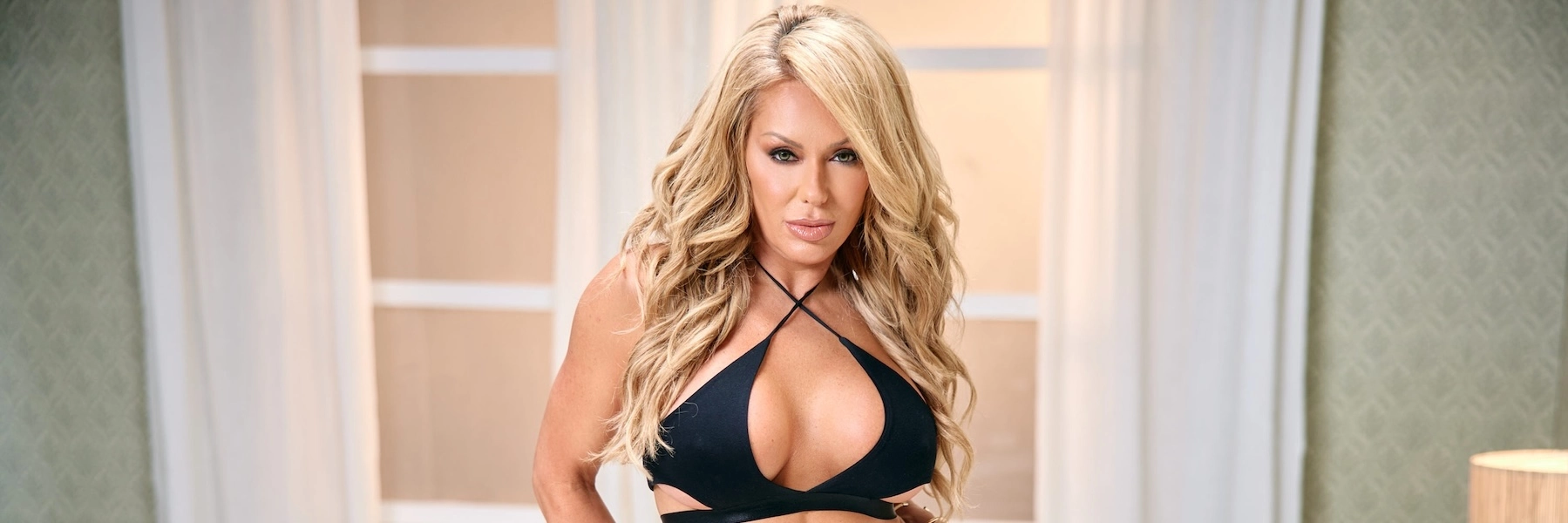
Inside Taylor Vixxen’s Perspective on Modern Adult Entrepreneurship
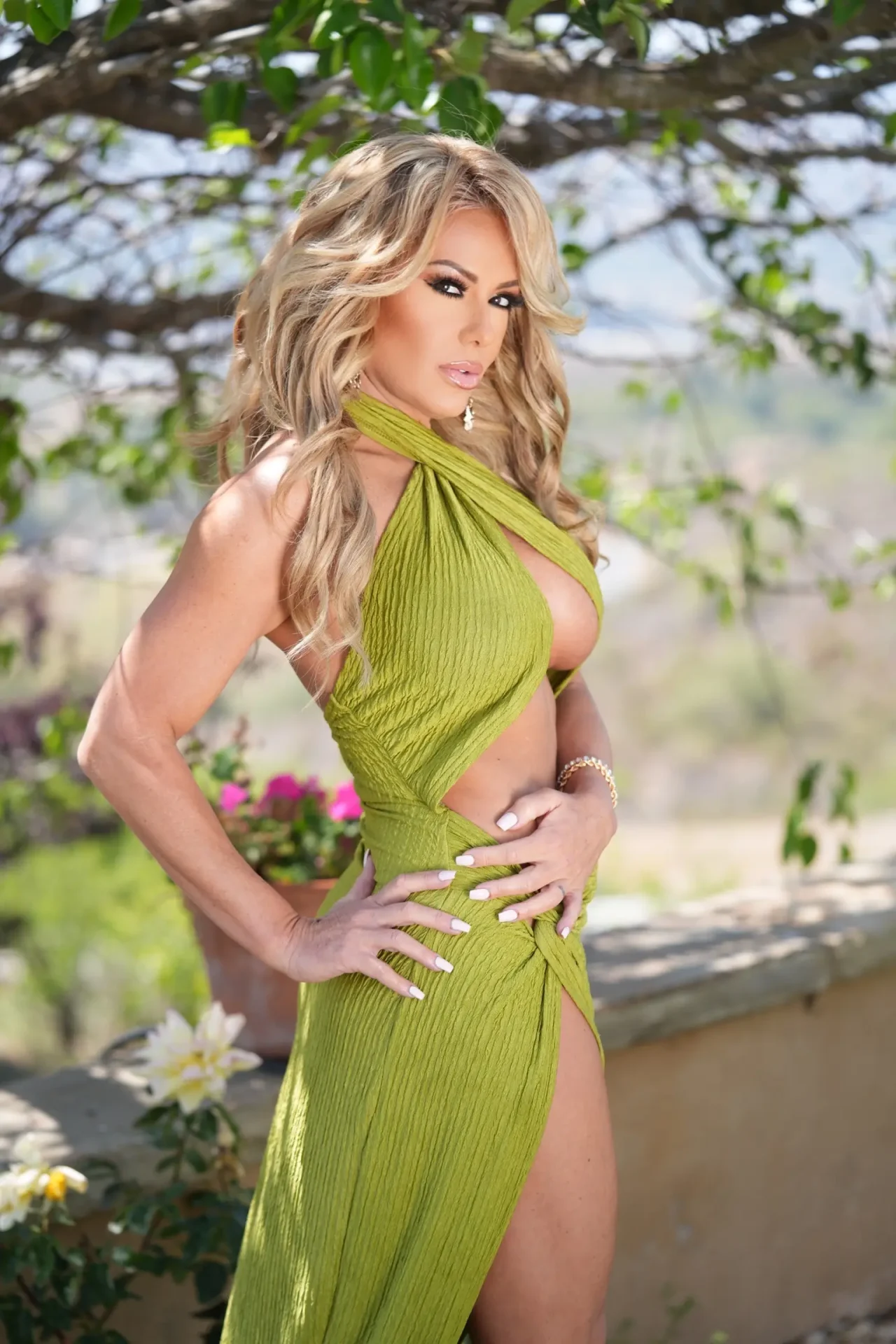
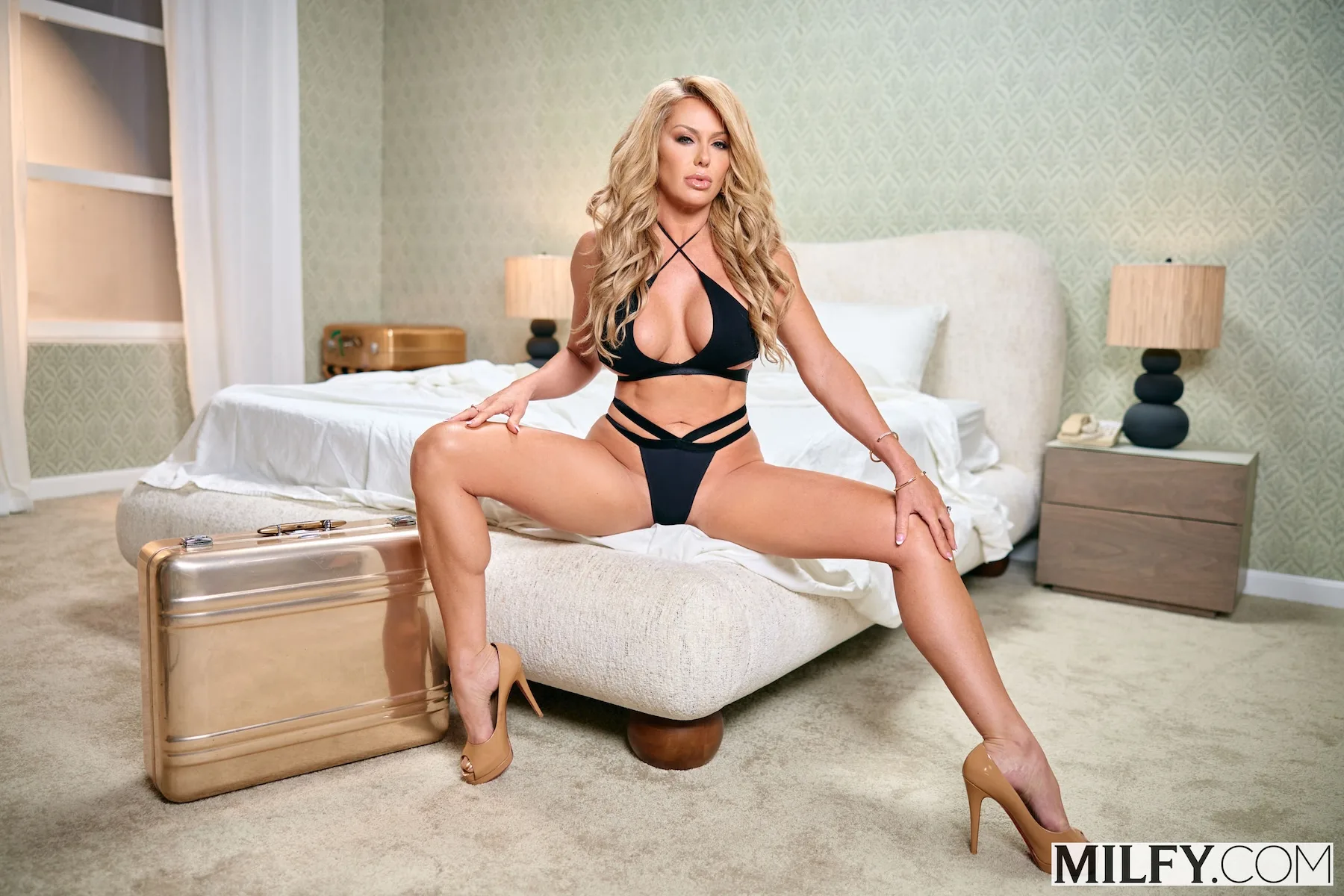
Taylor Vixxen did not arrive in the adult industry through a traditional pipeline. Before stepping in front of the camera, she earned her MBA and then spent nearly two decades in finance, including several years at the Vice President level before making a complete career pivot into adult entertainment.
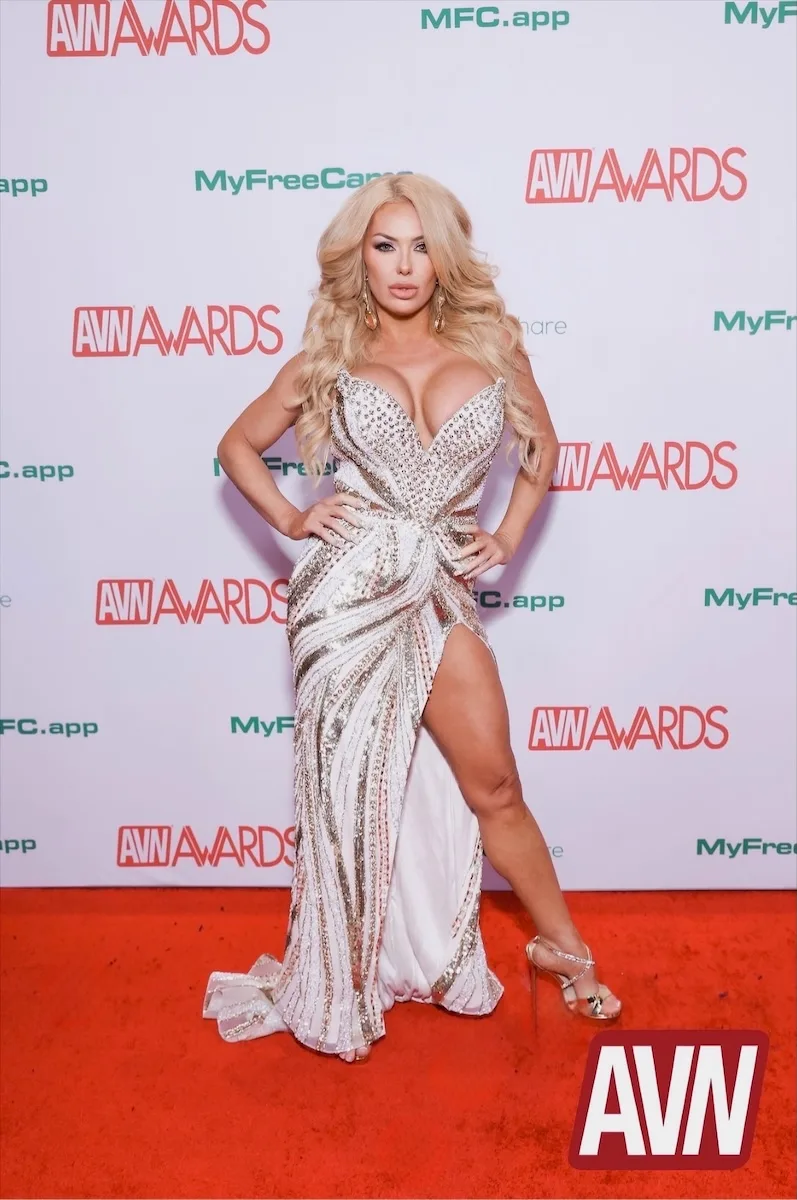
In just over two years, she has built a rapidly growing brand that already includes work with major studios, an AVN nomination for MILF Performer of the Year, and the launch of her own Fleshlight product.
But what makes Vixxen particularly compelling is not simply the speed of her rise, it is the way she speaks about sexuality and entrepreneurship with the clarity of someone who has operated inside both corporate systems and the adult independent creator economy.
In this conversation, we discuss the contradictions surrounding desire and monetization, the shifting power dynamics between studios and performers, the realities of modern content creation, and why society remains deeply uncomfortable when women control both their image and the profits attached to it.
Desire, Shame and the Economics of Visibility
CD: Desire fuels huge parts of both the world economy and particularly Western economies. Fashion, mainstream entertainment, advertising, they all capitalize on the element of sensuality and desire as a way to entice and sell a product.
However, when you put that desire in a more explicit framework, people judge, stigmatize, whatever. As someone with experience in both mainstream corporate structures and Adult entertainment, why do you personally think that contradiction exists?
TV: This is a really tough one, because like you said, when it’s corporate controlled in advertising and stuff, it’s more implied. They use it as marketing. They consider it to be art and entertainment. But then when a woman tries to monetize that and controls that desire, all of a sudden it’s controversial. I mean, there’s guys as well, but it’s primarily women.
The way I look at it, I think it’s more of a displacement of responsibility. What I mean is that when I make a generalization about men in general, it’s easier to blame the supplier.
Just like, for example, drugs. Where’s the problem? Is it the supplier, or is it the demand? It’s very easy for the consumers to blame the suppliers, which in this application, are let’s just say, the women, when people feel tension between their desire and their values.
We all have these values that we put out in society, the way we live our lives, with our relationships or our jobs, these people that we want to be on the surface. But when people are dissatisfied in their own relationships, it’s very easy to blame the content rather than to look inward. Desire’s been there since the beginning of time. The fantasies, the desire, that has always been there.
The difference now is that we’ve got so many avenues to fulfill those desires. When we’re talking about explicit content, the social media platforms, the OnlyFans, we’ve got so many avenues with technology and being able to quickly and discreetly deliver and fulfill those desires.
Porn and platforms like OnlyFans did not create the desire. The desire’s there. It just makes it more visible today. Before, in their own home, people were getting VHS tapes and watching porn, or getting Playboy magazines. Everything was very private because it wasn’t out there. Now it’s out there, now it’s visible, and what’s more visible is how we are fulfilling the desires. It’s on Instagram, it’s on Twitter.
The problem now is that when women control and profit from that desirability, and that control and profit is put out there for everybody to see, like so-and-so’s making however much money on OnlyFans, or she made 20 million dollars last month, that’s when it becomes a big problem.
It shifts from a morality objection to a discomfort with who has the power. Those women have the power because they’re the ones monetizing and making money from it. The contradiction doesn’t become about the desire itself, it’s about who’s allowed to control and profit from it. I think that’s the main core issue that’s being exposed at all levels.
Notes From Carly
Want to receive new blog posts by email? Join my mailing list.
From Corporate Executive to Adult Creator
CD: So do you think there ends up being a difference in perspective or opinions from the general public when it is an individual creator owning the monetization versus studio porn’ contracted shoots versus owning your entire funnel.
TV: Absolutely, yes. It used to be that the studio dictated the narrative. The studio hired the performers, the distributors controlled the access, the agent negotiated, the performer was just the talent. Performers weren’t monetizing their own image. It was just, “I’m hired, I’m there, you tell me what to do, and I’ll do it.” Then you leave and go home.
Things have shifted in a major way now. Platforms have enabled creators to monetize themselves and run their own business, where creators own everything.
We set our own pricing, we build our relationships and our audience. We decide what we’re going to put out, what content we’re going to make. We control our schedule, and we’re basically building their brand. Opposed to when we work for a studio, where they tell me who I’m going to be that day, and I have to be that person, and then when I leave, I’m back to me again.
CD: Yet studios ultimately are leveraging your brand to do the proper promotion on their behalf.
TV: Exactly, studios promote it however they want and also utilize the performers to help promote. And vice versa, it goes both ways. It’s a mutually beneficial relationship to an extent. As performers, we agree to let them market us in any way they see fit.
We’re really seeing a big shift to the individual content creators. We, as performers, manage our own risk. We’re trying to build our own brands and build our own companies and operate as entrepreneurs. It’s a different mindset, so it’s definitely changing a lot by extension.
The balance has been shifting for years, even before COVID. Each year we see fewer traditional studios and more independent content creators. It’s a change we’re all witnessing in real time. Studios are working to stay profitable and continue producing films, while everyone across the board is navigating challenges like maintaining exclusivity and keeping content from being pirated.
You have the platforms that are kind of in the middle there. They still control a lot. Essentially, as performers, we’re vertically integrated. We control everything from the bottom all the way to the top when we’re doing our own content, when we’re managing our own brand and putting our own stuff out there. That’s a big change from the corporate controlled stuff.
We’re in a new balancing act, a power play. The big studios are making a lot of changes. The adult world is changing on a daily or weekly basis because it’s this constant fight over “how can we stay profitable?” Whereas creators are just trying to make as much money as we can.
CD: I think it’s also worth noting that when you go to a studio shoot, when you’re doing pro shoots, you are not getting any commission, back payments, you don’t get any points on the content. You are paid for that day, and that is it.
Whereas with content creation, when you own it, you keep the profits. You have to handle the overhead because you’re a producer, but it becomes much more profitable in the end, assuming you’re doing it professionally.
I talk to my non-industry friends and they’re like, wait a second, that’s it? That’s all you get? People don’t quite realize that the studio shoot business structure comes at a literal cost.
TV: They assume that it works like a regular movie would work. They’re like, Tom Cruise gets residuals every time something is played. It’s like, no, it doesn’t work like that. You get your flat rate shoot dollars for being there, and it’s like, thanks, don’t let the door hit you on the way out. But of course when the movie comes out, they expect you to promote it.
That’s just the way that it is. For me, I’ve only been in the industry not even two years yet, but all I know is what I know. There have been a lot of changes that happened before me, shifts in the way things have worked, how it is on set, so many things in the industry…
With VHS tapes, you could only watch them in a movie theater, then DVDs were the big thing. I wasn’t even around for that. I watched some of the bigger production movies from back in the late 90s or early 2000s, but I wouldn’t call myself a big consumer of porn.
That being said, I didn’t really understand how the industry worked. But now, I’ve personally seen it shift drastically in just these last two years.
I can’t imagine what it would be like to be in the industry for 15 or 20 years and have experienced the evolution from DVDs to the way it is now, with content creation being central. COVID obviously changed a lot of that with the big OnlyFans stuff.
CD: Everything, and FOSTA/SESTA. The landscape is drastically different. You said the word brand ten years ago and people were like, excuse me?
Ownership, Branding and Studio Shifts
CD: But getting back to the idea of entrepreneurship, there’s also that blatant discrepancy between what people say is acceptable and what is stigmatized.
You see a lot of backlash of female entrepreneurs in mainstream as well, like influencers. Kardashian level, where they get a lot of backlash for the fact that they’re running businesses and profiting.
TV: I think it goes to the fact that we’re okay with women being desired. Society’s okay with women being desired. But when women actually take ownership of that and monetize it and build wealth from it, like the Kardashians, that’s when society has a problem, because it’s so out in the open.
I see the news with public criticism about what the girls are making on OnlyFans, and I believe the big issue is that society has a problem with women making so much money off desire. “She’s not educated, she’s not whatever, she’s just making a ton of money from shaking her ass.” They don’t *really* understand it’s so much more than that.
CD: “She’s doing this because she can’t do anything else. She can’t get a real job.”
TV: I think another part of the problem is that everything with the profits now is so transparent. If these girls were making that money and it wasn’t really out there, if we didn’t have the ability to see what they were truly making, would it really be as big of an issue? Probably not.
People have problems because they know the consumers and they take issue with the fact that people are actually spending that much; then also vilify the performers who are benefiting from it.
CD: I think it’s also the self induced shame surrounding sexuality and the fact that you are indulging in this and you are paying to indulge in this.
There’s also the stigma of “I don’t pay for porn.” God forbid the consumer own the fact that it is a form of labor and the fundamental nature of it is transactional.
TV: Absolutely. It’s one of the very few industries where women earn more than men, and it’s uncomfortable for a lot of people. There are so few industries where that is actually the case, and that we can see it and prove it and measure it.
It destabilizes our whole basis for our economy, and the way our economy has worked for as long as we can remember. It changes the power dynamic, and people don’t like change. They don’t like to have that power shift. Men in general are involved in the power shift, they’re contributing to it, they’re fueling it, but it’s not intentional for them. If the critics could wave a magic wand and change that, they probably would.
But desire is not something that can just be stopped. You can’t just say, I’m not going to have that cookie today, I’m not going to have that glass of wine. Desire is there, and it fuels so many industries, not just porn. Gambling, alcohol, drugs, all these things that many would consider morally wrong or taboo, things that people blame for relationships ending.
It’s not something that can just be turned off.
CD: I think there’s also the discrepancy between a woman can be sexy, a woman can capitalize on her sensuality, but cannot profit off of that sensuality.
TV: We can to an extent, and then suddenly it’s too much.
CD: The line gets crossed when you start commodifying.
TV: Exactly. “We’ll let her profit on it a little bit,” but if she gets too much power, too much money, too much whatever, it’s like, okay, now it’s not okay. If we’re too good at our jobs, then we’re “bad.”
Authenticity, Fantasy and the Performance of Realness
TV: I’ve seen this with research. As an actress or performer, you want to see what makes someone super desirable, what makes them so popular. I don’t watch a lot of porn for personal pleasure, but I watch it for professional purposes. I watch it to see what I’m doing that I don’t like, or when I hear critiques, or when I hear good things. It’s both good and bad.
I see these girls and I get comments from guys, and they want it to be as real as possible. In their minds, it’s “real.” Men frequently want a girl that’s a freak. They want to believe when they’re watching it that she is completely uninhibited.
But where does the actual authenticity of it end and acting begin? Is she really enjoying it that much? I always strive for a realistic performance. But there are some viewers that are looking for extremes. It’s a small part of the content, but a lot of fans are just looking for specific faces, and contrived reactions. I personally would never do some of these: the cross eyed thing, the tongue out thing. It’s popular right now, but I can never make that face because it’s not me.
So you see these girls doing it and you’re going, that’s not real. Nobody makes that face in real life. It’s acting. So where’s the line?
CD: It’s also like, do you really think that that angle is natural and authentic? No, that is for the camera. It is choreographed. Most consumers of pornographic content don’t like the curtain being pulled back on their fantasy.
I think it’s interesting that it’s less stigmatized if it looks like she’s enjoying it, versus when it seems performers are doing content simply for a paycheck. Somehow there is inherent degradation implied when it’s just a job.
TV: You lose the fans as well. The fans are the ones buying the content, and if they think that you’re there faking orgasms or not enjoying it or just going through the motions, that catches on real quick. Fans are very judgmental.
My personal decision is just to be me. Authentic. I’m super down to earth. I try to talk to as many fans as I can. I try to be as natural as I can when I do stuff. I don’t do specific sexual acts that I don’t want to do. I don’t get pushed into doing something I don’t want to do.
CD: And it could be acts that you enjoy in your personal life, but you’re like, that is my professional boundary.
TV: For sure.
CD: So even in fields where women are the primary revenue drivers, like modeling or wellness or med spa type services, decision making power often sits with a patriarchal system. You seem to see a sense of consolidation now. How do you think that’s playing out?
TV: It’s hard, because when we talk about what agency really means, I think it just means control. Where does the control occur? Is it distribution, pricing, audience access, long term stability?
Currently, the big thing is the platforms. All the OnlyFans, the Fanslys, the platforms are controlling. If you talk about agency, the platforms are the ones that give the performers that access. It’s progress, but they’re still controlled on a corporate level.
A lot of the girls have management companies helping them run their businesses, organizing their content and promoting it across their platforms.
We do have some platforms like SextPanther and Mynx who are trying very hard to make sure the girls cannot have management companies or chatters. There’s a difference between management companies and chatters, but they’re not supposed to have either, and they’re cracking down on it.
Financial Gatekeepers, Platforms and Control
TV: The financial agencies, the credit card companies, are also the ones with control. It’s all driven by the government. The payment processors like MasterCard and Visa determine everything right now. The content we can do, what we can’t do, age restrictions.
A lot of the girls are getting deplatformed. We can’t get loans, we’re losing our bank accounts and our PayPals. As an entrepreneur, if you lose the ability to do that stuff, you cannot operate.
The financial institutions have oversight over every single thing that we do. They’re controlling the studios because of age restriction laws, controlling the platforms. Everything is very regulated right now.
The financial gatekeepers, the banks and the credit card companies, are controlling everything. I think it’s going to get worse because you can’t stop the demand, but they can control the flow of the content. That’s the only way they can control it.
CD: I don’t think it’s always morality based. I think it is about their bottom line. With high risk industries, you have to hold that money for six months. They do not have access to those funds to invest or use however banks do. That’s why they hate high risk industries, because the level of chargebacks are so high. They have to have that emergency fund held. I believe that’s the fundamental reason for the animosity.
But people don’t like it when you boil it down to: this is a capitalist economy. People don’t have problems with morals if they’re putting money in their wallet. You go into an advertising pitch, they don’t care about messaging unless it is part of “how do we increase profits?” This all comes back to who is making the money, how they are making the money, and how is that impacting the decision maker’s bottom line.
The Human Reality Behind Adult Work
CD: If society benefits from this work, what needs to change both logistically in society, but also more importantly in the dialogue, the conversations we’re having in the zeitgeist? How do we get to a place where individuals who create content in the adult space are able to have a productive conversation that doesn’t end in an OnlyFans punchline?
OnlyFans has become so popularized as a term that it has entered the conversation, but it’s still abiding by certain rules of what is acceptable. What are the questions we need to be asking? What is the information we should be sharing?
TV: I think some of the documentaries that are coming out, like FansOnly and FansOnly 2 available to stream on Prime, have done a great job to show the human side behind it.
One of the big things that needs to happen is we need to stop stereotyping adult performers. We’re not all being exploited or have daddy issues and drug problems. A lot of people in the industry are businesswomen. We can be a mom and also an adult entertainer.
Unfortunately, I don’t think the conversation is ever going to be an honest conversation. I think the secrecy aspect is a large part of the consumption model. The people who are consuming porn are doing it secretly, even though it’s out there. They’re consuming it in ways that conflict with how they present themselves socially or in their relationship.
To learn more, visit Taylor’s personal website at TaylorVixxen.com where you can find links to all her premium platforms and sites.
Follow Taylor on IG, X and Tik Tok @TaylorVixxen.