
Editing Adult Content, Creative Risk, and Professional Standards
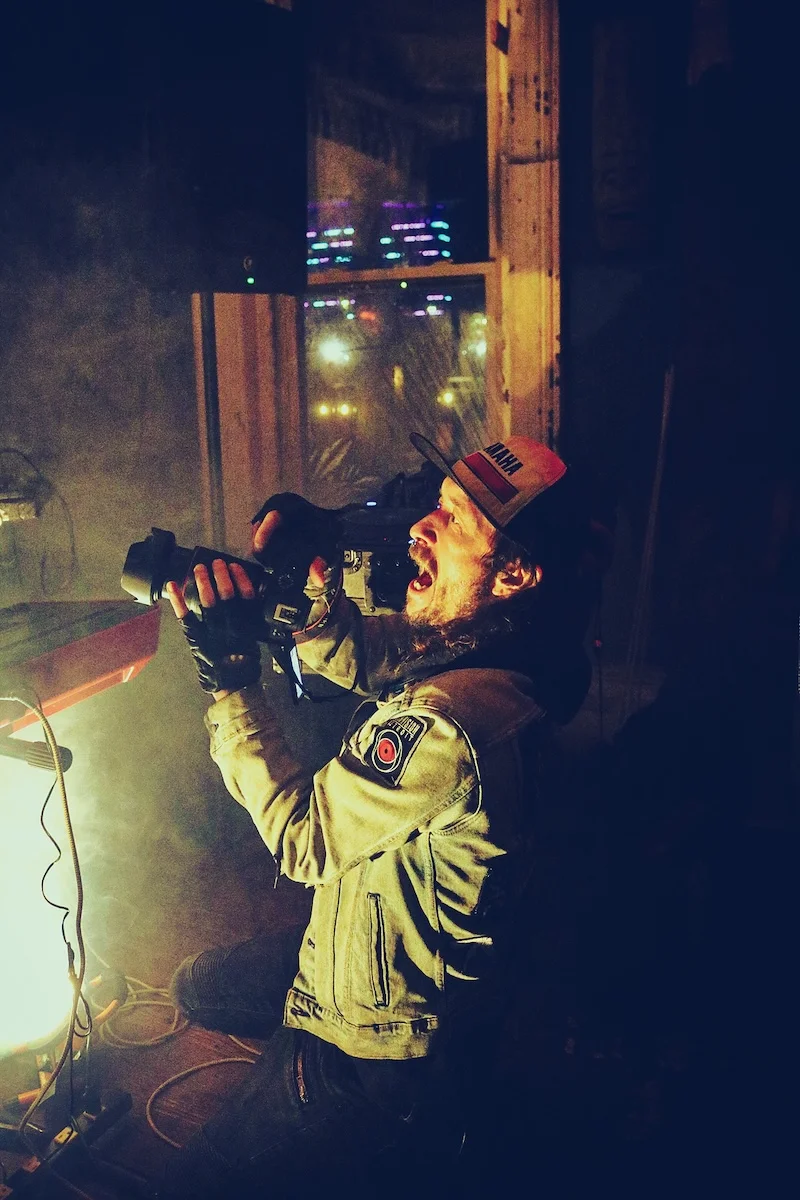
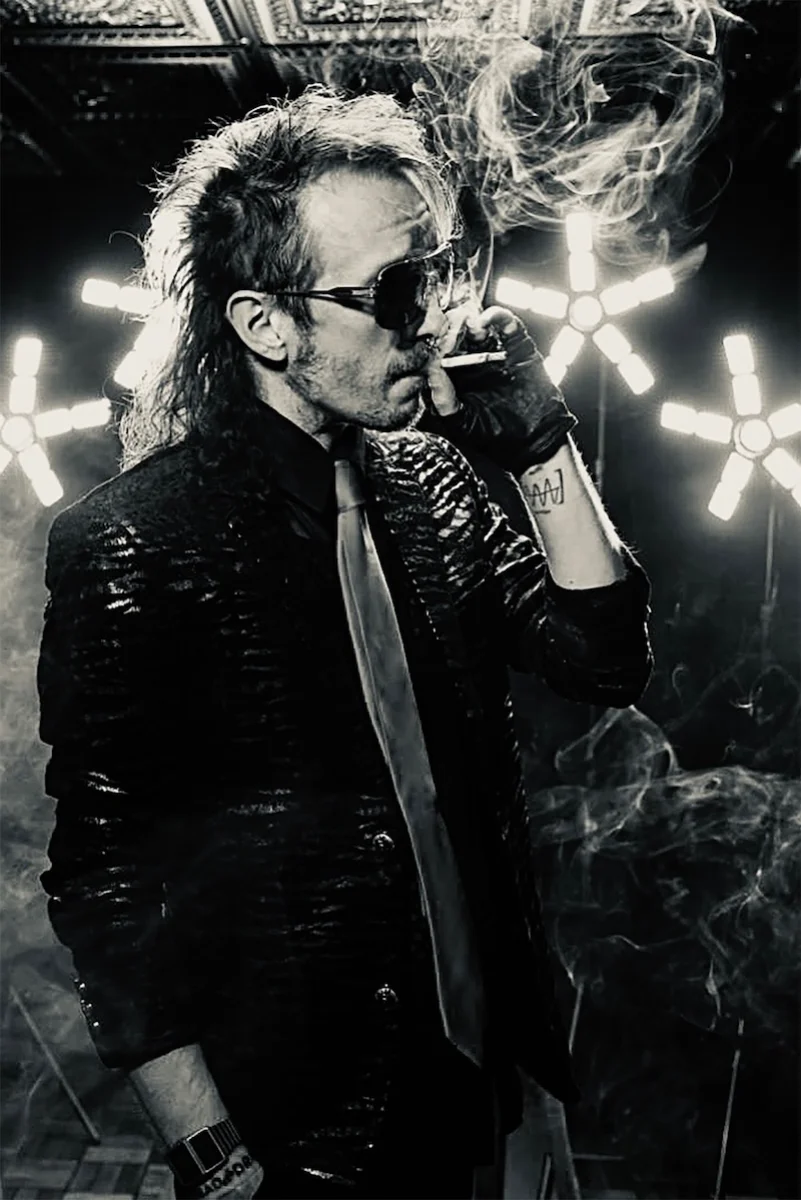
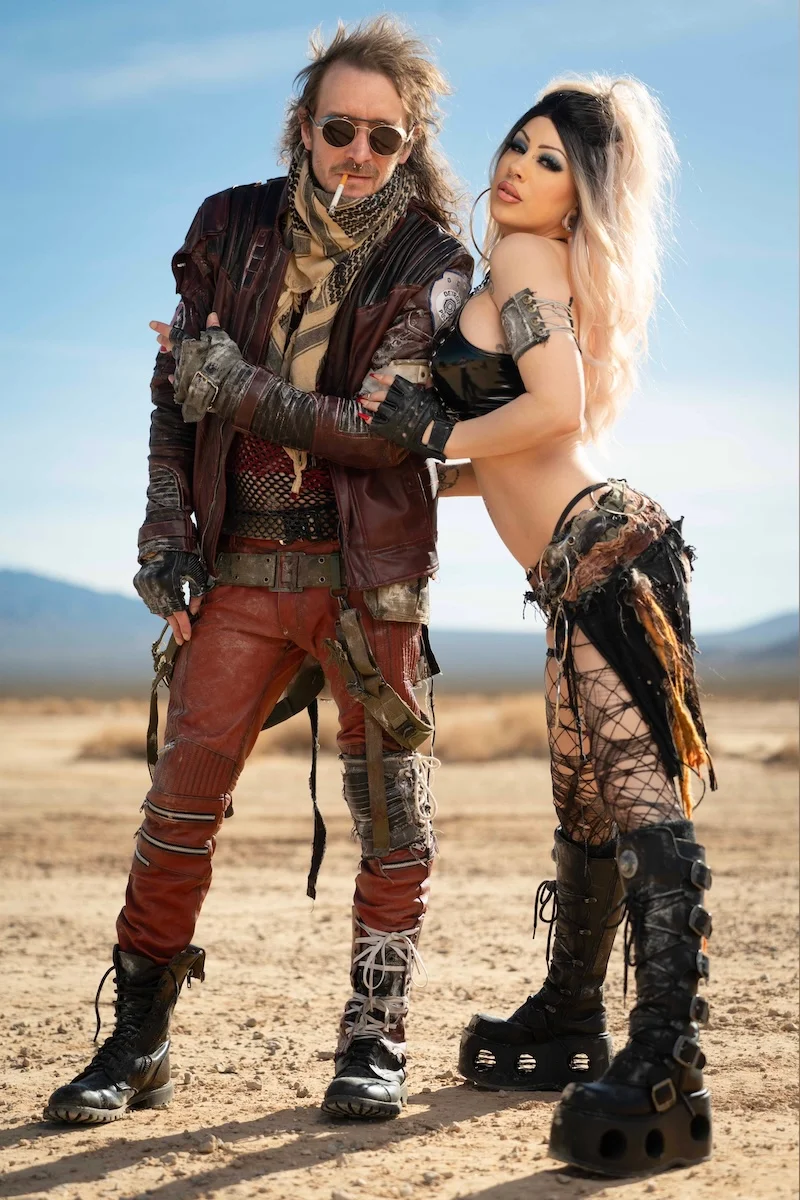
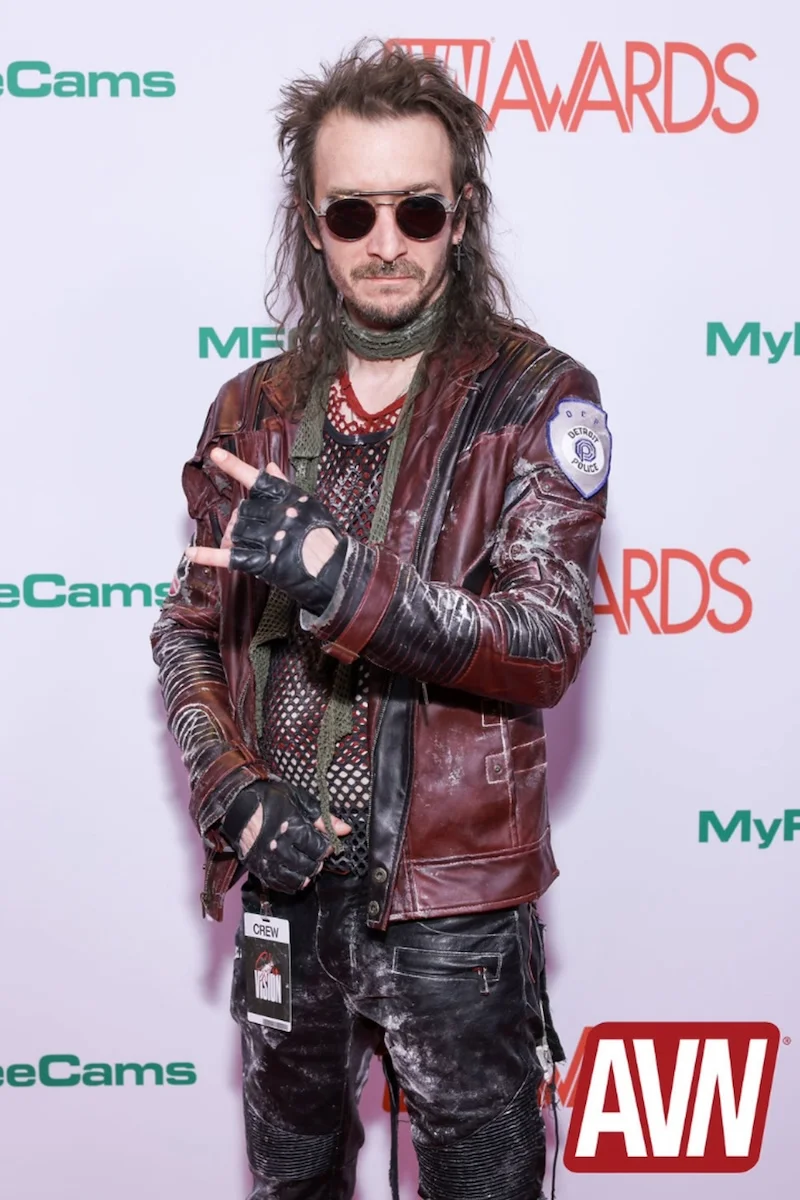
Deet is the co-founder of SkinVision Creative, a video editing and motion graphics house specializing in adult content, which he runs alongside his wife, Luna Luxxx, an award-winning fetish cam model and independent creator. At SkinVision, Deet manages the full creative pipeline, handling everything from production planning to post-production and final delivery.
With nearly two decades of experience in video editing, motion graphics, visual effects, and videography, his background spans documentary film, commercial production, music videos, and independent adult cinema. Earlier in his career, he contributed motion graphics and visual effects to a Webby Award-winning Hulu Originals film and in 2026, he received two AVN nominations for his editing on Visions: Luna Luxxx.
Self-taught and design-minded, Deet approaches the work without posturing. His process is hands-on and meticulous, shaped by pacing, restraint and the right amount of crazy auteur.
Editing as Invisible Labor and Managing Client Expectations
CD: So, you have a background in mainstream video editing. However, in the past few years, you made the decision to transition almost exclusively into high-quality video editing for the adult industry and adult content.
Now, in mainstream entertainment, but even more so with adult films, it seems that video editing is almost an invisible form of labor and rarely acknowledged as a powerful contribution to the resulting work. We see this in mainstream movies, that those in front of the camera get the vast majority of the accolades. Sometimes, a director will get some of the accolades, but less often than on camera contributors.
Another way to think of it: what are the parts of the work you think are most misunderstood by clients, collaborators, or even fans or consumers of content? How has this shaped the boundaries you set around your particular process?
Deet: A particular pain point for me is when just people that give up the money are getting more credit than the people, executive producers or whatever. But honestly, for me, it’s the fix-it-in-post mentality that is common throughout, whether it’s adult or mainstream. Even if people aren’t consciously thinking it, they’re like, it’ll be fine later.
Sometimes I am surprised with the corners I can maneuver myself out of. But at the end of the day, a lot of it is managing expectations. Without giving off the vibe of having low confidence in a project, but letting people know that whatever they give me is going to directly affect what I can do for them.
It’s great when I have long-term clients that are returning. We develop a creative shorthand and a process without me feeling micromanage-y or restricting them. We can bounce off each other. They get an idea of what works best in editing and how my editing can work best for them.
Notes From Carly
Want to receive new blog posts by email? Join my mailing list.
Creative Authority and the “Suits and Jeans” Problem
CD: Do you feel you have more of a voice in that process in adult versus mainstream, where the work is dictated by an executive producer or by a brand?
Deet: Yeah, totally. With adult video editing, it’s usually just the direct client I’m working with. They have varying degrees of expectation or quality they’re looking for. A lot of the time they don’t have the technical experience or the time for editing, and they don’t care that much beyond wanting it done.
With mainstream, I’m often dealing with uncreative people making creative decisions and directing things in a way that they shouldn’t be directed. I call them “suits and jeans.” They’re really suits, but they dress casual and try to act creative. That gets annoying, but it’s the nature of the beast.
A lot of times it’s expectations I set on myself. I’m always thinking I need to make this better. It has to be better, even though people don’t consciously register editing. At the end of the day, it’s managing expectations.

Discipline, Work Ethic, and Audience Utility
CD: Do you find similarities and differences when it comes to skill and discipline? And the professionalism required?
Deet: The actual work and the discipline are pretty much the same. My mom instilled a strong work ethic in me where I truly believe I have to do a good job. I have to be responsive. I have to be on top of my work. Especially when working with someone new, you sometimes have to prove that yes, “You’re in good hands!”
The main difference is audience expectation. A lot of people don’t consciously register editing.
A lot of my mainstream work is in advertising. The product is usually just an inconvenience to people, and they’ll keep scolling or click out if they’re able to. So I don’t really factor that realm’s audience expectations the same way I do when working on more creative content.
In adult work, there’s a utility and a function. It’s being actively consumed and sought out. Even if people are skimming through it to find the snippets they want and then closing their laptop afterward, the content still being consumed differently than my mainstream work typically is.
For me, work is work. When I get into my zone of editing, I’m just in my zone doing my thing, trying to make it good.
Risk, Niche, and the Economics of Direct Feedback
CD: Having shifted more fully into adult work, how does that impact your creative license and liberties you take in the name of art or entertainment?
Deet: In mainstream stuff, there is a lot more riding on various aspects. There’s a lot more money involved and there is a lot more pressure because of that.
On the flip side, in Adult Entertainment, there is still pressure because creators see a direct correlation between the consumption of the scene and the sales they make. They can more easily see — I did this, my customers don’t like this — and that translates directly to how much money is made.
At the same time, adult creators are often more willing to push boundaries. And sometimes, those pushed boundaries develop into their unique niche or what they’re known for.
If I’m creating my own stuff, I can choose and dictate whatever risks I want to take. If I’m working for a client, I don’t want to do something that negatively impacts their sales or gives them something that doesn’t work well for their fanbase. I also don’t want to compromise their artistic vision.
There is still a lot of room to be creative, but you’re also working with another creative person. Creative people are more attached to their ideas and what they’re trying to achieve.
A lot of creative people are just people that like to solve problems. I’m always creating problems for myself to solve. When you’re working with another creator, you’re sharing that space and working it out so you’re both able to be creative while solving those problems.
Professionalism, Privacy, and Trust in Explicit Work
CD: What assumptions does the industry make about editing adult content? And how do those compare to the technical, ethical, narrative, and commercial demands of the work?
Deet: There are a lot of assumptions. There’s this idea that there are lazy editors or people just chasing exploitative access to adult performers. Clients are often hesitant to hand off their work because of that stereotype.
But we all have to be professionals. Quality has to be there. I don’t see the point in doing something halfway.
You’re also dealing with people’s personal identity and privacy. There are extra variables in play. You have to make people feel respected, trusted, and comfortable; without making the process overly formal, of course. You still want it to be easy, casual, creative. It’s about finding that perfect balance.
CD: That’s it. It always requires professionalism. Just because conversations are related to explicit content, doesn’t mean they should be handled with less sensitivity or respect.
Deet: Exactly. You’re talking about personal things. You have to think about how you would want people to talk to you and address you. You always have to be mindful.
Partnership and Presence on Set
CD: Do you think the experience is different when the team has a female presence?
Deet: I feel like it helps in my experience. Everybody we work with has had really good chemistry with Luna. That’s always nice. It adds a little “extra.” Not that there’s anything wrong with producers or editors who don’t have that dynamic available to them, but it has certainly helped SkinVision as we grow .
CD: Do you feel like you’re more than the sum of your parts?
Deet: Yes, totally. That’s a good way to put it.

Algorithm Resistance and the Question of Legacy
CD: In terms of legacy, for yourself and for SkinVision Creative and SkinVision Studios, what kind of impact would you ideally like your work to have?
Deet: With regards to how I put together adult content, a lot of my creative influences are from the 1990s through the early 2010s. That’s the sweet spot for me. Post the camp, low-quality, vintage stuff but prior to the social-media-fied style of work we currently see.
For me, Michael Ninn and his style of movies always just…made sense. It wasn’t about a heavy story or rigid continuity. It’s about making the content look cool and sexy; sometimes even weird. It feels like he does what he wants to do.
I don’t know if he consciously thinks about inspiring anyone, but it absolutely works on me. If I could hope for anything, it would be that someone sees our work and thinks, “[SkinVision] pursues their own vision regardless of what the algorithm says. They make stuff they think is cool.”
My advice is to find what you want to make. Sculpt it into something cohesive and do it.
CD: Who are your mainstream influences?
Deet: David Lynch. Cronenberg, especially Videodrome and Scanners. Early Darren Aronofsky. Pi. Requiem for a Dream. Music video directors like Chris Cunningham.
Even Tarantino. He’s dialogue heavy and I don’t really use dialogue as much; but the way the story flows and the music choices. I feel like I carry some of that influence subconsciously. Gaspar Noé as well. David Fincher, especially his music video era.
Music videos have a really strong influence on us at SkinVision. At the Studio, we have a playlist of music videos constantly running in the background while we’re working.
CD: The uncut version of Prodigy’s Smack My Bitch Up is one of my favorites.
Deet: I have that one! Even the version with the MTV2 bug on it. It’s a great video. The whole twist at the end…it’s great filmmaking.
Connect with Deet at SkinVisionCreative.com and check out the cool (SFW) content coming from SkinVisionStudios.com.
Follow Deet on X @100percentdeet, @skinvisionx and on IG @skinvisionx.
SkinVision’s official Merch is available for purchase.